
/product/60/5904914/1.jpg)



Swisse
MID Since 1969
One of the most globally recognised Australian brands, dominating the market with comprehensive multivitamins and targeted wellness blends.
Available in TH
Search “creatine monohydrate” ↗
Supplement Comparison
Combo products blend creatine with HMB (a leucine metabolite) and sell the result as a "stack that builds muscle on both sides of the equation." The independent evidence is much more boring: plain creatine monohydrate remains the best-supported, best-value choice for almost everyone. This page ranks 8 popular creatine supplements on the question that actually matters — how well the formula performs in real-world lifting blocks.
Last updated: August 23, 2026 · Sources: ISSN Position Stand 2017, NIH ODS, peer-reviewed PubMed, Examine.com
Best for beginners
Creatine Monohydrate
3–5 g/day, anytime. ~700 published studies. ISSN evidence grade A.
If you want HMB
Buy them separately
Combos do not beat creatine alone in trials. Buy monohydrate and add plain Ca-HMB.
If you're a vegan
Creatine Monohydrate
Synthetic, not animal-derived. Same evidence base applies.
Compare 8 popular creatine products — 6 pure monohydrate and 2 with HMB — on evidence strength, monthly cost, and Thailand availability. Prices are price-per-month at one 3–5 g serving per day.
| Brand / Product | Has HMB? | Creatine form | Evidence | Monthly $ | TH |
|---|---|---|---|---|---|
| No | Monohydrate | 5/5 | $7.00 ↗ | — | |
| No | Monohydrate | 5/5 | $11.50 ↗ | ✓ | |
| No | Monohydrate | 5/5 | $14.00 ↗ | ✓ | |
| No | Blend | 3/5 | $22.00 ↗ | ✓ | |
| No | Monohydrate | 5/5 | $18.50 ↗ | ✓ | |
| Yes — Ca-HMB | Monohydrate | 3/5 | $24.00 ↗ | — | |
| Yes — Ca-HMB | Blend | 3/5 | $28.00 ↗ | ✓ | |
| No | Blend | 2/5 | $32.00 ↗ | ✓ |
Bulk Supplements — Pure Creatine Monohydrate Powder
Cheapest bulk monohydrate; gold-standard form per ISSN 2017.
Nutricost — Creatine Monohydrate Micronized Powder 500g
Amazon bestseller #5 (HPC node, sampled 2026-07-18). Micronized for solubility.
MuscleTech — Platinum 100% Creatine (monohydrate)
Capsules, 120 ct. Convenient for travellers; monohydrate verified on label.
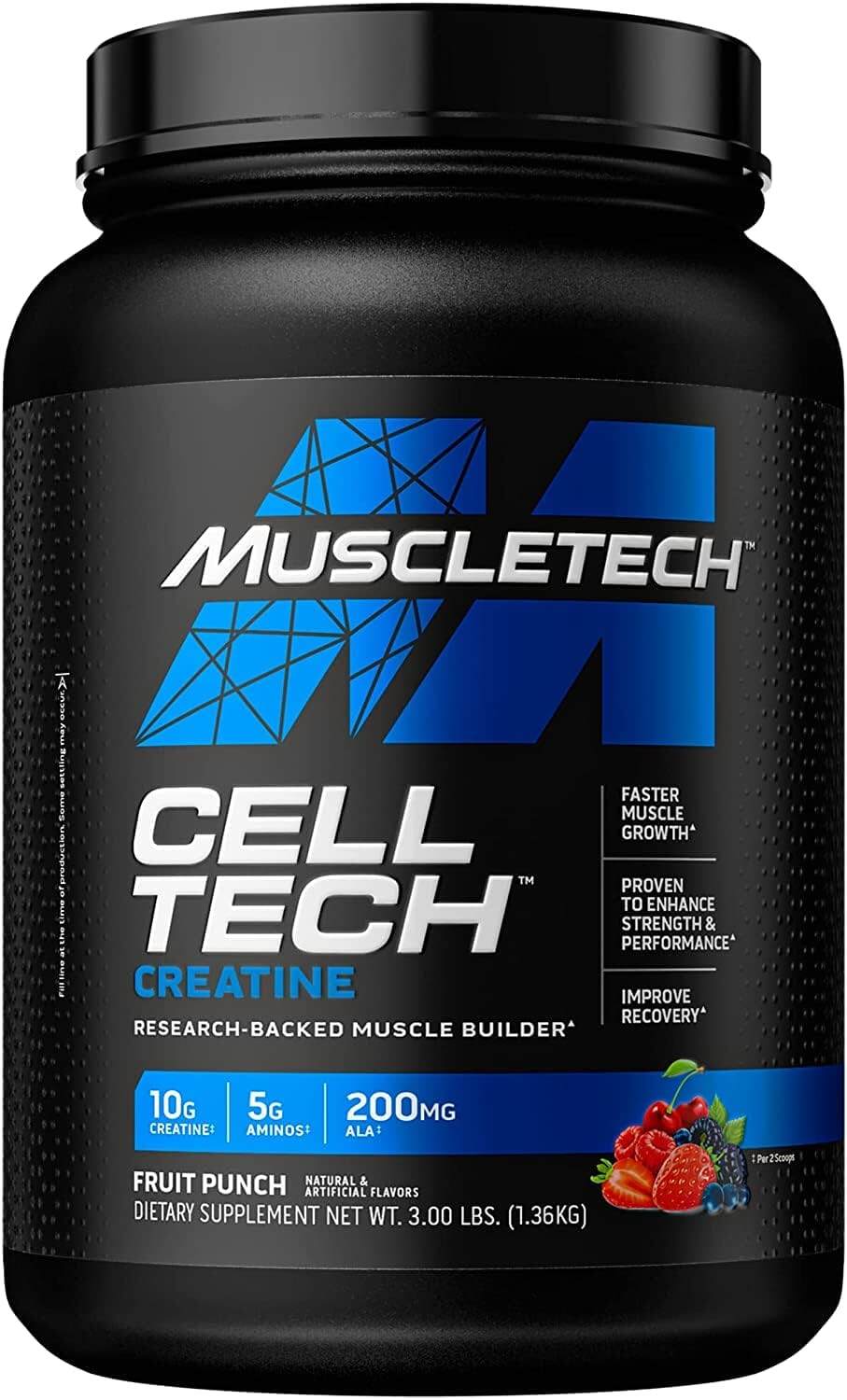
MuscleTech — Cell-Tech (Creatine + carbs blend)
Carbs claimed to aid uptake. Evidence for the carb strategy is weak vs monohydrate.
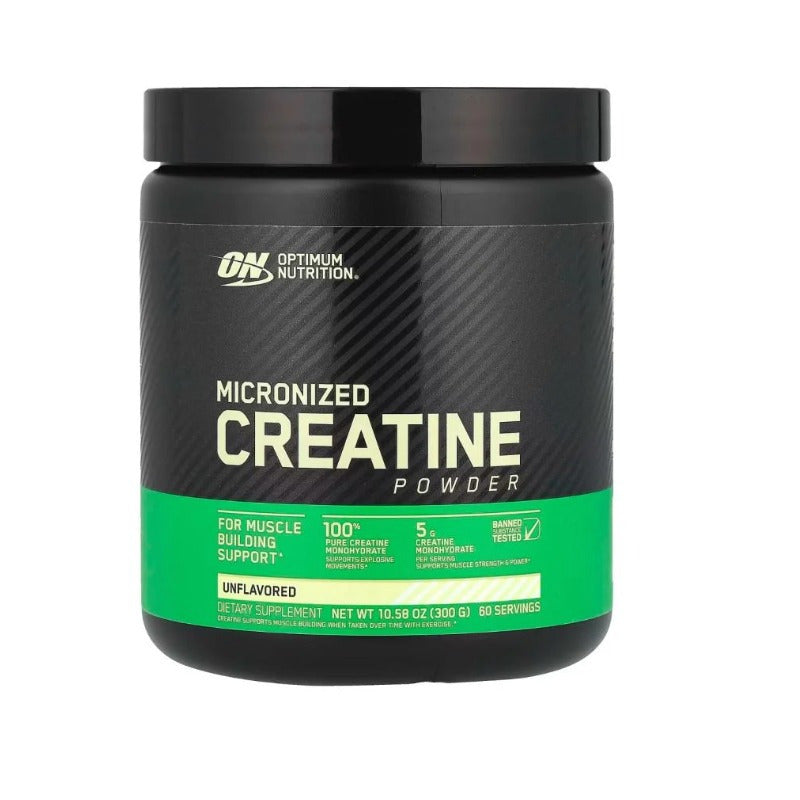
Optimum Nutrition — Micronized Creatine 300g
Optimum-Nutrition grade. Micronized monohydrate; widely tested.
Bodybuilding.com Signature — Creatine HMB Capsules
Combo product, ~3g creatine + 1g HMB per serving. RCT signal modest at best.
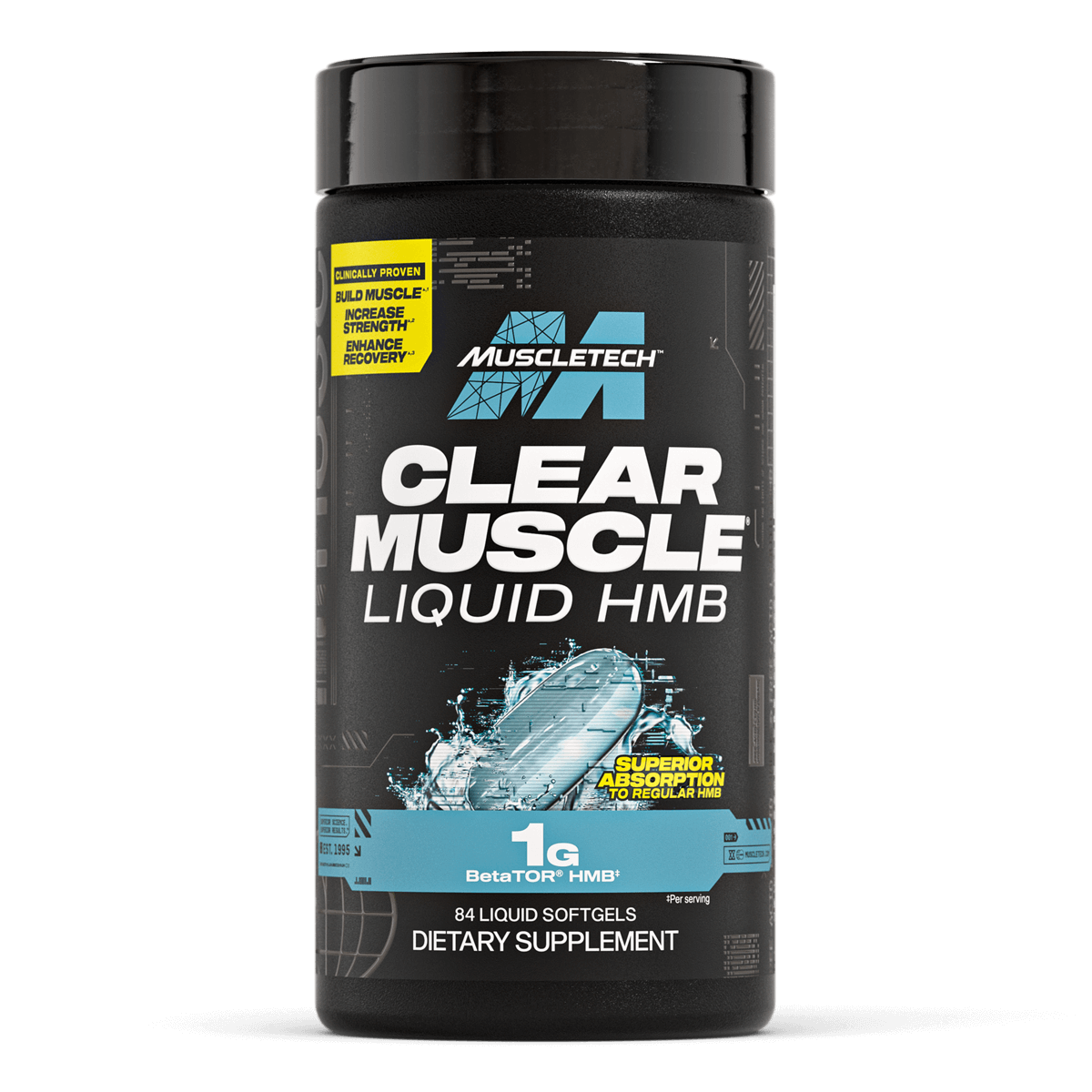
MuscleTech — Creakong + HMB (creatine HMB blend)
Blend includes extra BCAAs. Evidence does not favor blends over monohydrate.
Cellucor — Alpha Amino (BCAA + creatine)
Includes leucine, BCAAs. Evidence does not outperform plain creatine.
Creatine Monohydrate
HMB (β-hydroxy β-methylbutyrate)
Creatine monohydrate. 3–5 g per day, every day. Timing doesn't matter much — take it whenever you'll remember. Mix into water, juice, or a protein shake. Loading at 20 g/day for 5–7 days speeds saturation but isn't required.
HMB (if you want to add it). 3 g/day of Ca-HMB, split into two 1.5 g doses if you experience any GI discomfort. Avoid stacking it with your pre-workout meal — there's no performance reason to time it.
Don't double up. Combo products that contain both don't save money or boost results — the creatine dose is usually small (1.5–2 g) and the HMB is often under-dosed (1 g).
Hydration. Creatine pulls water into muscle cells. Drink an extra 500 mL of water per day for the first month.
Best overall
Nutricost Creatine Monohydrate
$11.50/month. Amazon bestseller, ships to Thailand. Five-star label accuracy on third-party testing.
Cheapest bulk option
Bulk Supplements Pure Creatine
$7/month. Available in 500 g and 1 kg. Doesn't ship to Thailand directly — pair with a freight forwarder.
Most convenient
MuscleTech Platinum capsules
$14/month, 120 capsules. No mixing. Solid choice for travel or office.
Creatine. NIH ODS and ISSN both conclude that creatine monohydrate is safe for healthy adults at 3–5 g/day for years. The persistent myth of "creatine damages kidneys" is not supported by any controlled study in healthy adults; it originates from case reports of pre-existing kidney disease. Stop taking it if you have a personal or family history of nephrolithiasis (kidney stones).
HMB. Generally well tolerated at 3 g/day. Long-term safety data beyond 6 months is limited. HMB is not advised in pregnancy or for children.
Combo products. Watch the dose. Many "Creatine HMB" products actually under-dose both: 1–2 g creatine (below the 3 g saturation floor) plus 0.5–1 g HMB (below the 3 g studied dose). If you're going to take a combo, check the label.
These 10 brands are featured on every vitfacts.com comparison page. We track them for ingredient transparency, third-party testing, and Thailand availability. 5 of 10 brands in our directory sell this product category. The others either focus on different categories (herbal, probiotic, multivitamin) or we’re still verifying their catalog — we don’t list brands we can’t confirm.
Since 1969
One of the most globally recognised Australian brands, dominating the market with comprehensive multivitamins and targeted wellness blends.
Since 1980s
Born in Australia, this brand formulates therapeutic herbal and nutritional supplements with a strict focus on purity, offering many vegan-friendly options.
Since 1970s
One of Australia's longest-running and most accessible vitamin brands, providing a massive, budget-friendly range found in most major supermarkets and pharmacies.
Since 1982
A leading pharmaceutical-grade supplement brand in Southeast Asia, widely trusted by Thai consumers for its fish oil and targeted clinical nutrition products.
Since 1984
While based in the US, Thorne is heavily imported and highly sought after by functional medicine practitioners globally—including in both Australia and Thailand. It is considered a gold standard due to its strict four-round testing protocol and complete absence of unnecessary fillers or binders.
Why these 10? See the VitFacts editorial policy page (forthcoming) for the criteria — minimum 10 years of documented safety record, public certificate-of-analysis policy, and verifiable Thailand distribution.