Iron is the world's most common nutritional deficiency — and the most-misunderstood supplement category. The form (ferrous sulfate vs bisglycinate vs fumarate), the elemental iron per capsule, and what you take it with make a 3-4x difference in how much actually reaches your bloodstream. This page ranks 10 popular iron products on absorption and GI tolerance.
Last updated: August 23, 2026 · Sources: NIH ODS, Camaschella 2019 (Blood), Lönnerdal 2010 (AJCN), Milman 2014
At a glance
Best absorption + GI tolerance
Thorne Iron Bisglycinate 25 mg
NSF Certified for Sport. Ferrochel chelated form — Lönderdal 2010 shows 3-4x absorption vs ferrous sulfate in deficient women. $14 USD on iHerb.
Best AU mass-market
Swisse Iron + Vitamin C
Ferrous sulfate + vitamin C combo at 20 mg Fe. $14.99 at Chemist Warehouse AU. Widely stocked at Watsons/Boots in Thailand.
Best Thailand-available
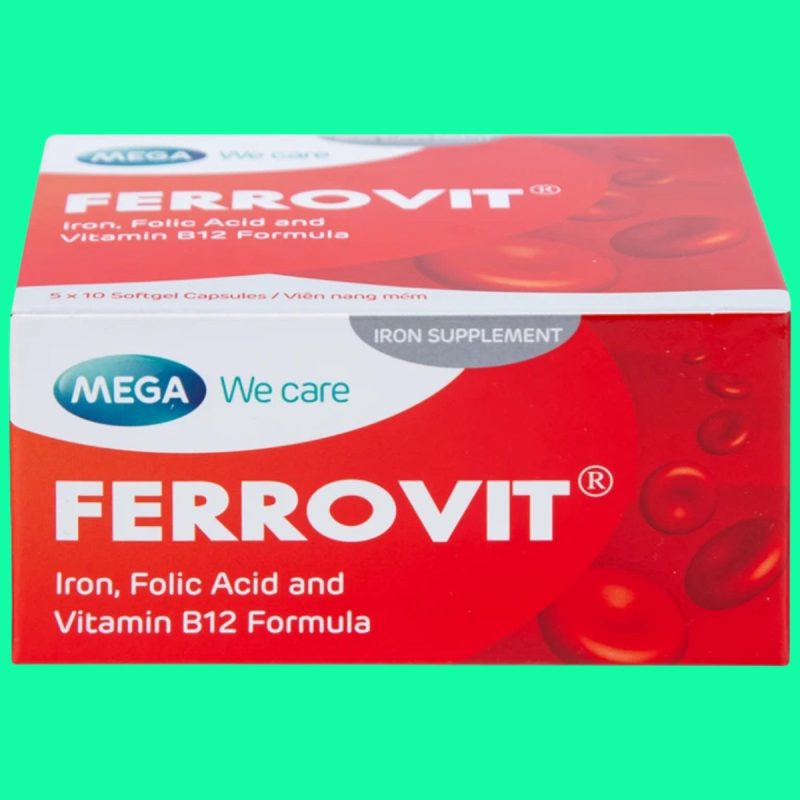
Mega We Care Ferrovit
Thai-domestic 50 mg ferrous sulfate + folic acid + B12. The high-dose option for documented deficiency in TH pharmacies. Watsons/Boots stocked.
Product comparison
Compare 10 popular iron products on form, elemental iron per serving, absorption score, GI tolerance, and price per dose. Absorption 5/5 = highest bioavailability. GI tolerance 5/5 = fewest side effects.
Absorption 1/5 = lowest, 5/5 = highest bioavailability. GI tolerance 1/5 = most side effects (nausea, constipation, dark stools), 5/5 = placebo-level tolerability. Bisglycinate dominates both axes per Lönnerdal 2010.
The 4 forms of iron, explained
1
Ferrous sulfate (the standard)
Absorption: 3/5 · GI tolerance: 2/5 · 20% elemental Fe
The cheapest, most-prescribed form. 20% elemental iron by weight. Used in most RCTs that show benefit for iron deficiency anemia. The clinical workhorse for diagnosed deficiency under medical supervision. The main drawback: GI side effects (nausea, constipation, dark stools) in 20-30% of users per Tolkien 2015.
Best for: clinical correction of severe deficiency under medical supervision. Cost-sensitive users. Best taken with vitamin C on an empty stomach.
2
Ferrous bisglycinate (Ferrochel) Best absorbed
Absorption: 5/5 · GI tolerance: 5/5 · 10% elemental Fe
Ferrous iron chelated with two glycine amino acids. Lönnerdal 2010 showed 3-4x higher bioavailability than ferrous sulfate in iron-deficient women, with significantly fewer GI side effects. The form most evidence-based practitioners recommend first-line. The lower elemental iron percentage (10%) is offset by the much higher absorption rate.
Best for: long-term maintenance, anyone who stopped ferrous sulfate due to nausea, sensitive stomachs, prenatal use.
3
Ferrous fumarate
Absorption: 3/5 · GI tolerance: 3/5 · 33% elemental Fe
The highest elemental iron content of the common forms (33% by weight). Decent absorption and GI tolerance. Less studied than sulfate or bisglycinate in head-to-head RCTs. Often used in prenatal vitamins because the higher elemental iron means fewer capsules per day.
Best for: prenatal vitamins, anyone who needs more elemental iron per capsule without escalating volume.
4
Polysaccharide-iron complex (PIC) and liquid iron
Absorption: 3/5 · GI tolerance: 4/5 · Various elemental Fe
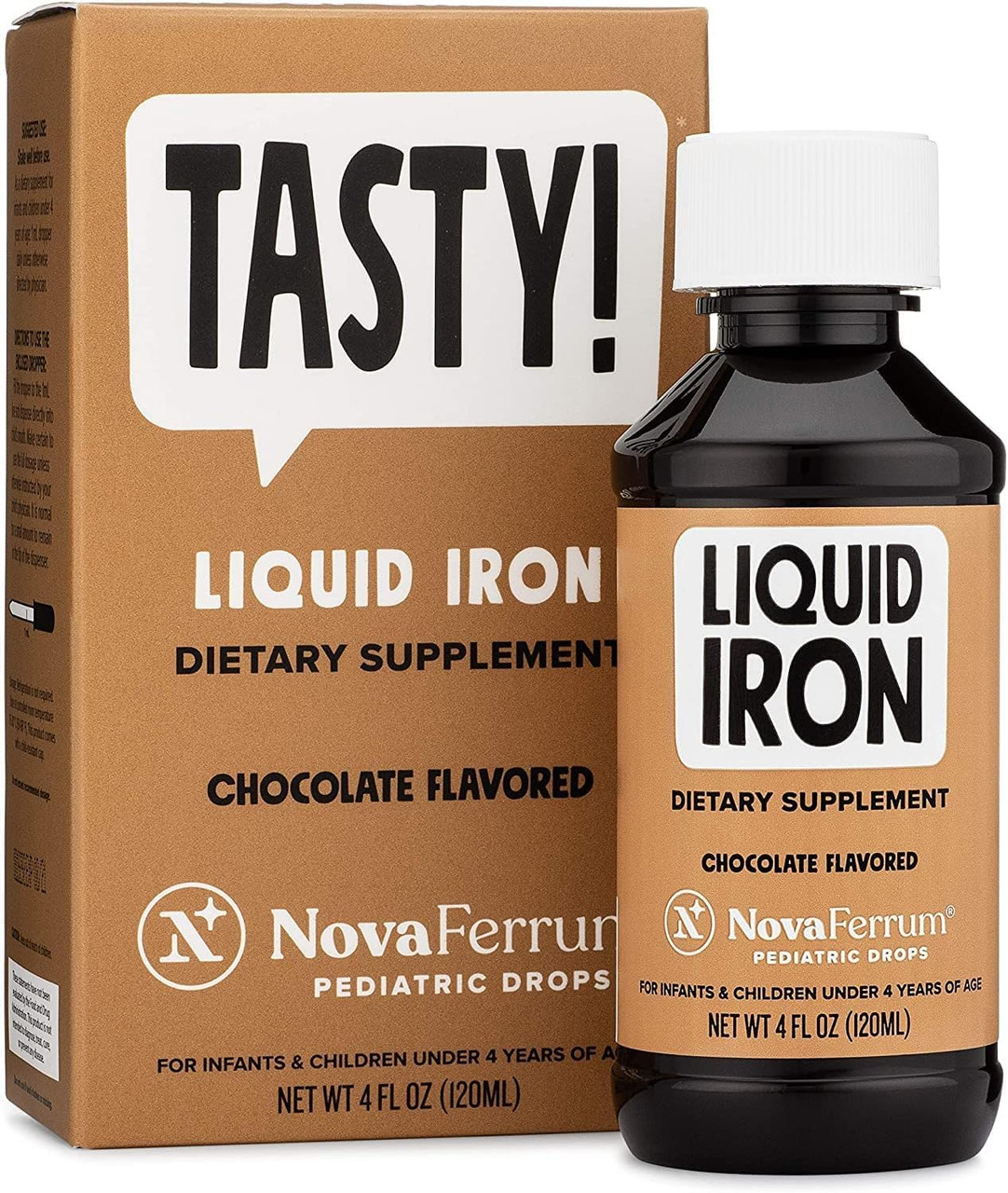
Ferric iron (Fe³⁺) bound to a polysaccharide carrier. Marketed for users who react to every ferrous form. Some evidence for better tolerability but less head-to-head data vs ferrous forms. Liquid PIC (NovaFerrum) is the standard pediatric option. More expensive per mg elemental iron.
Best for: children, liquid formulations, adults who have reacted to all ferrous forms.
How much iron do you actually need?
Per the US Institute of Medicine (IOM 2001) and the Australian NHMRC. RDAs assume 75-80% of dietary iron from heme sources — vegetarians need ~1.8x more.
Group
RDA (mg/day)
UL supplement only (mg/day)
Adult men 19+
8
45
Pre-menopausal women 19-50
18
45
Pregnancy
27
45
Lactation
9-10
45
Source: NIH ODS Iron Fact Sheet · UL = tolerable upper intake level for supplements only. Dietary iron is poorly absorbed at high doses so food-based toxicity is rare.
Top picks by use case
Best overall
Thorne Iron Bisglycinate 25 mg
NSF Certified for Sport. The strongest absorption + GI tolerance combo in our directory. Best for anyone who can afford ~$14 USD/month.
Best AU mass-market
Swisse Iron + Vitamin C
$14.99 at Chemist Warehouse. Ferrous sulfate + vitamin C combo at 20 mg Fe. Widely stocked at Watsons/Boots in Thailand. Best value AU option.
Best Thailand-available
Mega We Care Ferrovit
50 mg ferrous sulfate + folic acid + B12. Thai-domestic — stocked at Watsons, Boots, independent TH pharmacies. Best for documented deficiency in TH.
Best for sensitive stomach
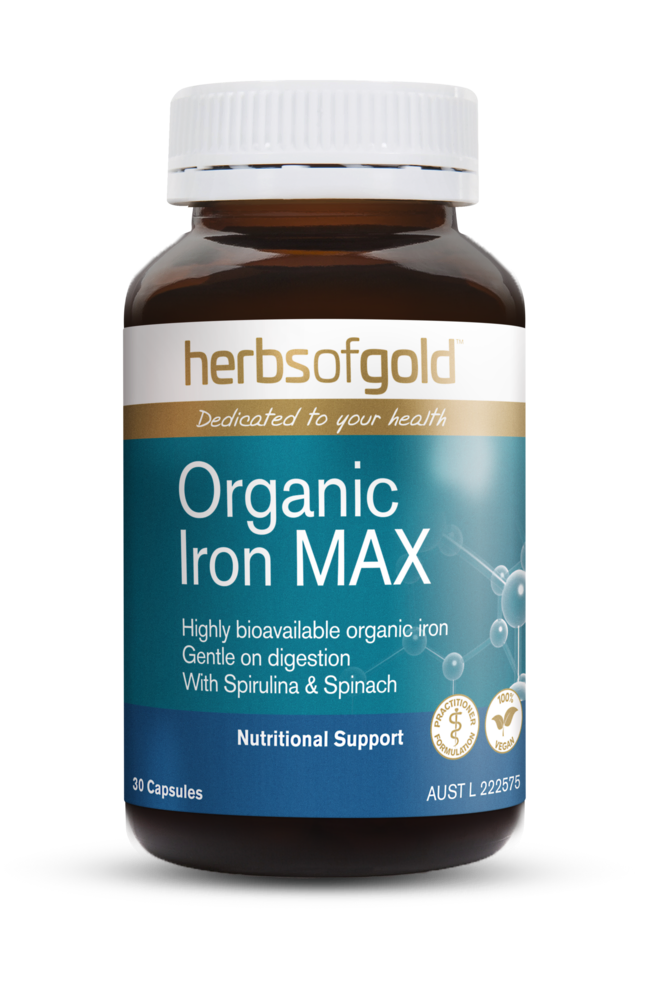
Herbs of Gold Iron Plus
Bisglycinate at 24 mg + B6 + B12 + folic acid. AU pharmacy mid-tier. Vegan-friendly. Designed for users who react to ferrous sulfate.
Best prenatal
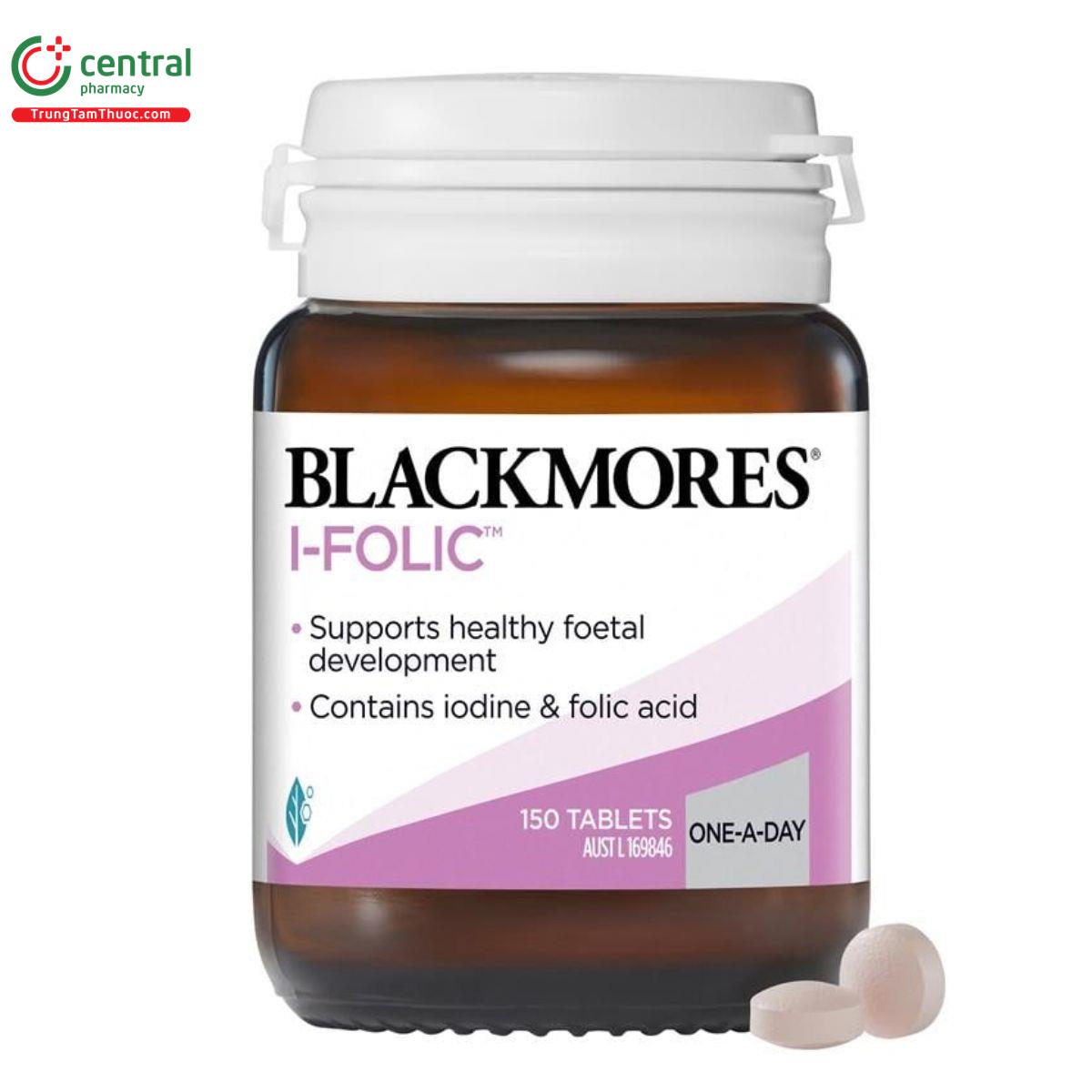
Blackmores Iron + Folic Acid + B12
Classic Australian prenatal iron. Ferrous fumarate 10 mg + folic acid + B12. Gentle, well-tolerated. Stocked at Watsons/Boots in TH.
Best practitioner-grade
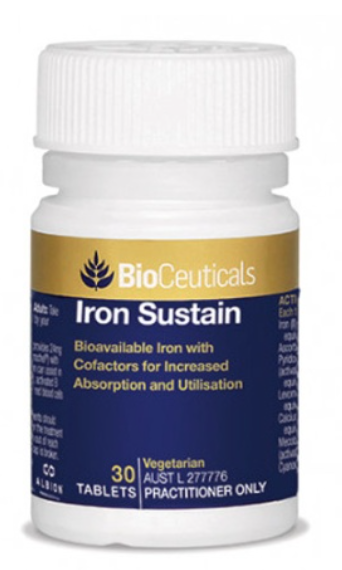
BioCeuticals Iron + Co-Factors
Practitioner-only iron amino acid chelate at 24 mg. Sold through Australian naturopaths. Highest-grade option for documented deficiency under clinical supervision.
Side effects & drug interactions
Iron supplementation is generally safe at recommended doses but has real GI side effects and serious drug interactions. Get a ferritin blood test before starting chronic supplementation.
Common (expected) side effects
Nausea / stomach upset (especially ferrous sulfate, especially empty stomach)
Constipation (most common cause of non-adherence)
Dark / black stools (harmless — iron sulfide)
Stomach cramping, heartburn
Diarrhea (less common than constipation, more common with PIC forms)
Drug interactions — separate by 2+ hours
Tetracyclines, fluoroquinolones — iron chelates antibiotics, reducing both
Levothyroxine (Synthroid) — iron reduces thyroid hormone absorption
Calcium / dairy — competes for intestinal absorption
Bisphosphonates (alendronate) — chelation; separate by 2 hours
Iron overload risk: routine supplementation in adult men and post-menopausal women can cause iron overload (hemochromatosis affects 1 in 200 Northern Europeans). Always get a ferritin blood test before chronic supplementation. Excess iron damages liver, heart, and pancreas.
Chemist Warehouse AU, iHerb, Amazon, Swisse AU, Blackmores AU, BioCeuticals AU, Ethical Nutrients, Herbs of Gold, Nature's Own, Mega We Care, Thorne, Solgar, NovaFerrum — product pages and price snapshots cited per row above (date column).
Trusted brands we rate
These 10 brands are featured on every vitfacts.com comparison page. We track them
for ingredient transparency, third-party testing, and Thailand availability.
A heritage naturopathic brand spanning over 90 years, known for rigorous ingredient sourcing and massive pharmacy presence throughout the Asia-Pacific region.
A premium, practitioner-only brand (owned by Blackmores) offering highly concentrated, clinical-strength formulas that are frequently recommended by healthcare professionals.
A high-quality pharmacy brand heavily focused on evidence-based ingredients, widely known for its "Inner Health" probiotic range and highly absorbable magnesium powders.
Born in Australia, this brand formulates therapeutic herbal and nutritional supplements with a strict focus on purity, offering many vegan-friendly options.
One of Australia's longest-running and most accessible vitamin brands, providing a massive, budget-friendly range found in most major supermarkets and pharmacies.
A leading pharmaceutical-grade supplement brand in Southeast Asia, widely trusted by Thai consumers for its fish oil and targeted clinical nutrition products.
While based in the US, Thorne is heavily imported and highly sought after by functional medicine practitioners globally—including in both Australia and Thailand. It is considered a gold standard due to its strict four-round testing protocol and complete absence of unnecessary fillers or binders.
An Australian-made value brand founded in 2006, sold through Chemist Warehouse and major AU pharmacies. Part of the Nature's Care family (est. 1990), offering a wide mass-market supplement range covering fish oil, vitamins C/D, magnesium, probiotics, zinc, iron, ashwagandha, collagen, and CoQ10.
Why these 10? See the VitFacts editorial policy page (forthcoming) for the criteria — minimum
10 years of documented safety record, public certificate-of-analysis policy, and verifiable
Thailand distribution.