Retinol is the most-evidenced anti-aging active in skincare — but the dose on the label, the molecule (retinol vs retinal vs HPR), and the vehicle make a 10× difference in how your skin responds. This page ranks 16 popular retinoid products on irritation, clinical evidence, and price per ml.
Last updated: August 23, 2026 · Sources: Mukherjee 2006, Bissett 2009, Dhaliwal 2019, Granactive Retinoid 2017 RCT
At a glance
Best budget entry
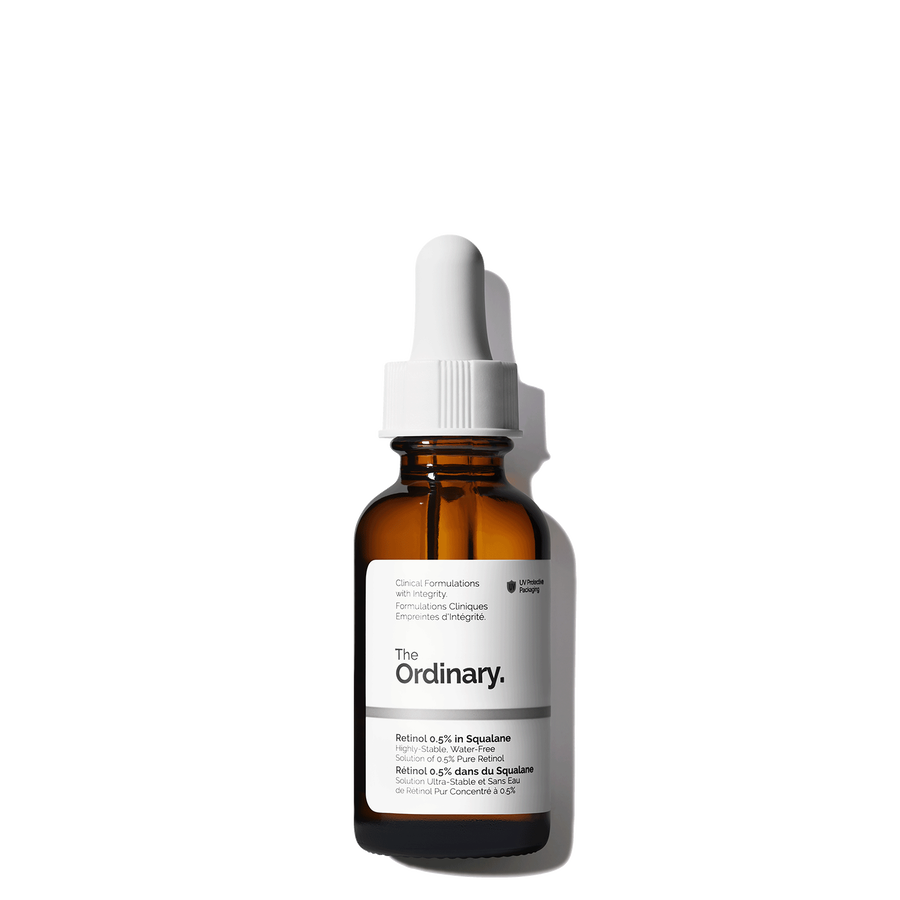
The Ordinary Retinol 0.5% in Squalane
~$6.50 USD, 0.5% retinol in a hydrating squalane base. The right starting concentration for first-time users.
Most evidence per dollar
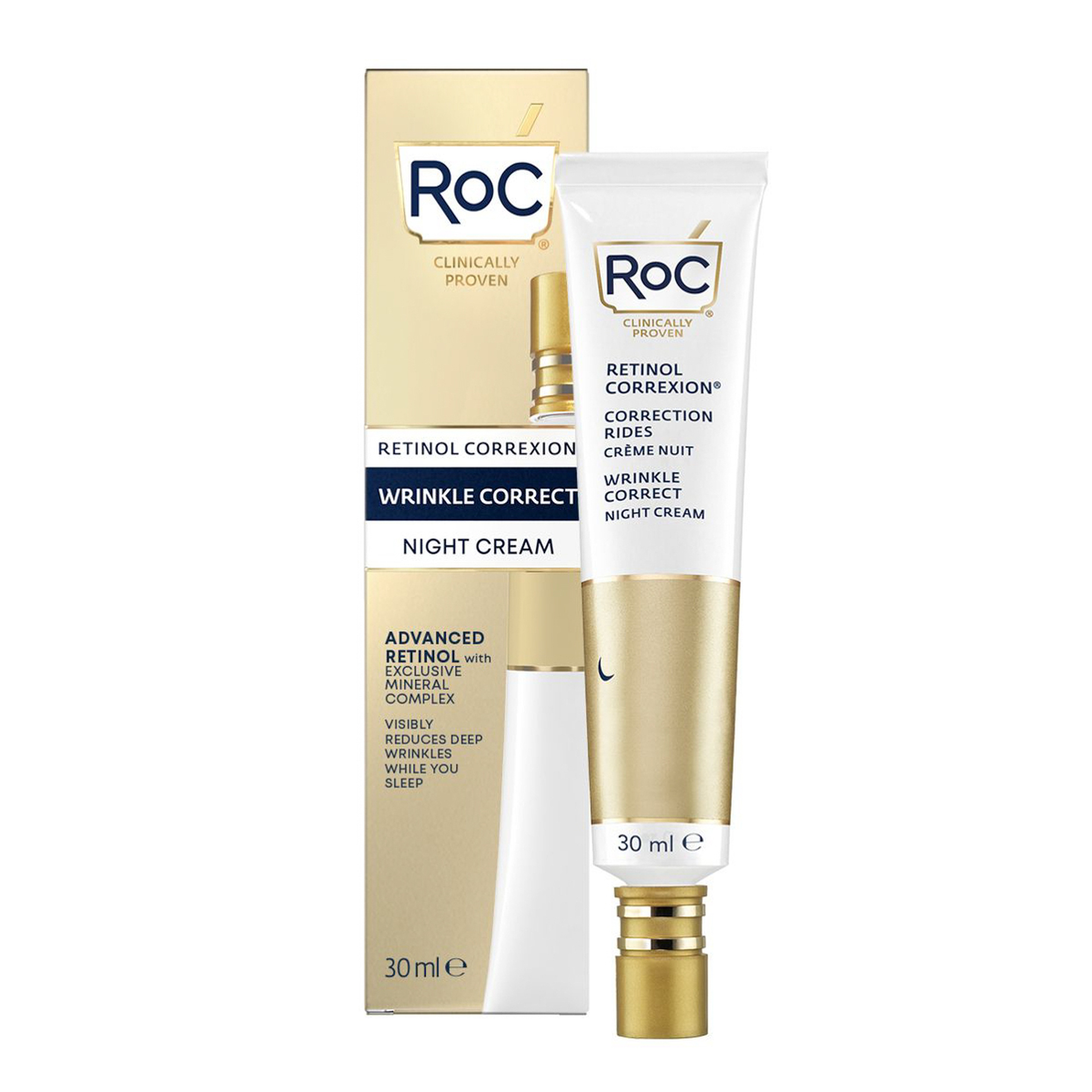
RoC Retinol Correxion Night Cream
~$23 USD. RoC has been the most-cited mass-market retinol brand in clinical literature since 1995. Sold in TH Watsons/Boots.
Best for sensitive skin
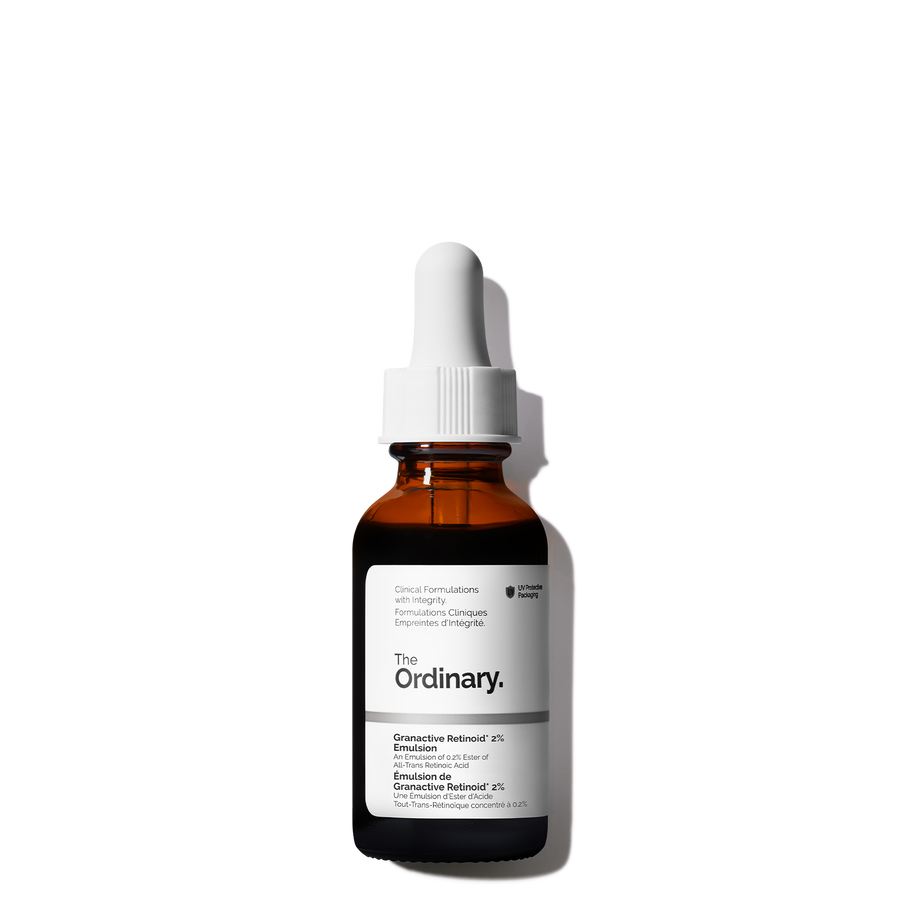
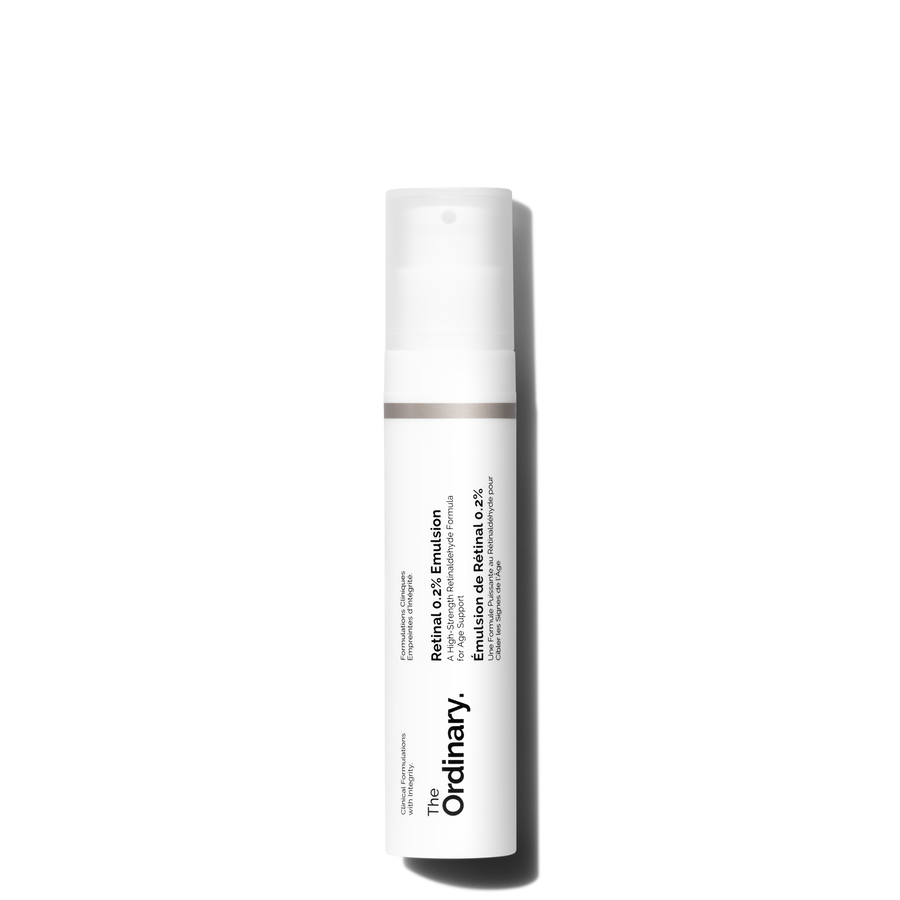
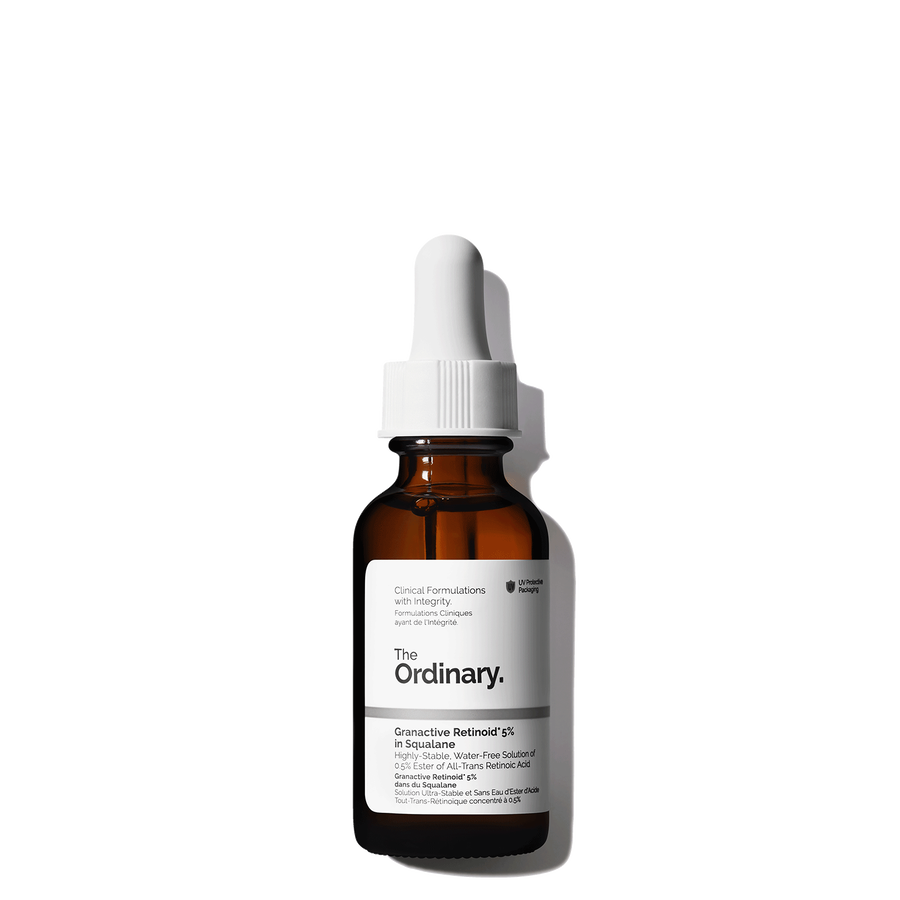
The Ordinary Granactive Retinoid 2%
HPR (granactive retinoid) — binds retinoic acid receptors directly, ~$9 USD, and is the gentlest retinoid in our list.
Product comparison
Compare 16 popular retinol products on molecule, concentration, irritation score, and price per ml. Irritation 5/5 = lowest irritation / best tolerability. Evidence 5/5 = strongest published clinical trial base.
Irritation 1/5 = most irritating (expect peeling/flaking), 5/5 = least irritating. Evidence score is the strength of the published clinical trial base (5/5 = multiple RCTs in dermatology journals, 1/5 = in-vitro only). Retinal / HPR / Bakuchiol have less evidence than retinol because they're newer — that doesn't mean they don't work, only that the data is still building.
The classic OTC retinoid. Has to be converted twice by skin enzymes (retinol → retinal → retinoic acid) before it binds retinoic acid receptors in the nucleus. The slow conversion is why retinol is less irritating than prescription tretinoin — but also slower to produce visible results. Mukherjee 2006 (J Drugs Dermatol) and Bissett 2009 (J Drugs Dermatol) are the most-cited reviews.
Best for: everyone who can tolerate 6–8 weeks of peeling. Start at 0.025%–0.3% before moving to 0.5% or 1%.
2
Retinal (retinaldehyde)
Irritation: 2–3/5 · Evidence: 4/5
One step closer to retinoic acid on the conversion pathway. Approximately 10× more potent per molecule than retinol but with similar tolerability profile. Faster results. Used in Medik8's Crystal Retinal range and a handful of French pharmacy lines.
Best for: people who plateaued on retinol. Stronger than retinol, gentler than tretinoin.
3
HPR (granactive retinoid) Gentlest
Irritation: 4/5 · Evidence: 3/5
Hydroxypinacolone retinoate (HPR) is a synthetic retinoid that binds retinoic acid receptors WITHOUT needing enzymatic conversion. Marketed as "granactive retinoid" (a 2% solution of HPR in a solvent = ~0.2% HPR). Much gentler than retinol. Evidence base is still maturing — 2017 RCT showed comparable efficacy to retinol with less irritation, but the long-term studies are limited.
Best for: sensitive skin, first-time retinoid users, anyone who can't tolerate 6 weeks of retinol peeling. A good "training wheels" retinoid.
4
Retinyl palmitate / retinyl acetate
Irritation: 5/5 · Evidence: 2/5
The weakest retinoids. Need 3 enzymatic conversions to reach retinoic acid. Common in drugstore "anti-aging" moisturizers (Olay, RoC day creams, Aveeno). Slow but well-tolerated. Expect visible results only after 6+ months of consistent use, if at all.
Best for: people who want a retinoid but cannot tolerate irritation (rosacea, eczema-prone skin). Realistic expectations required.
5
Encapsulated retinol
Irritation: 3/5 · Evidence: 4/5
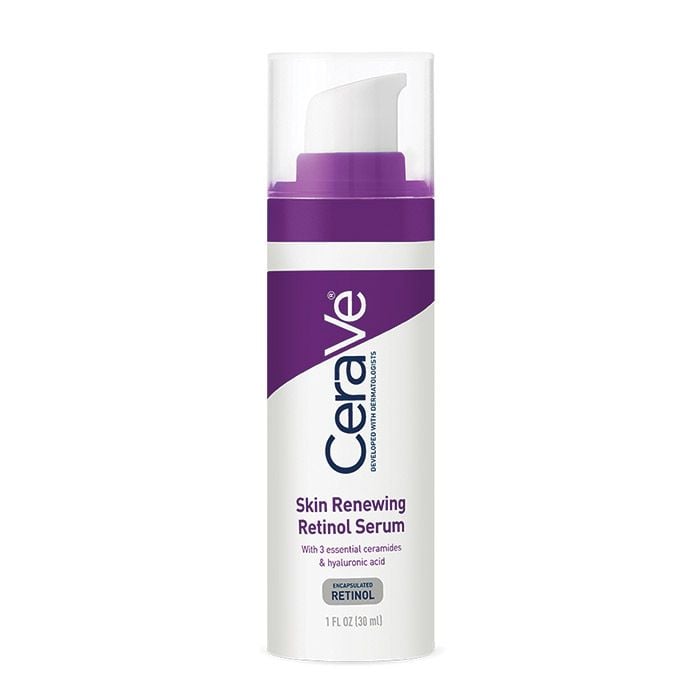
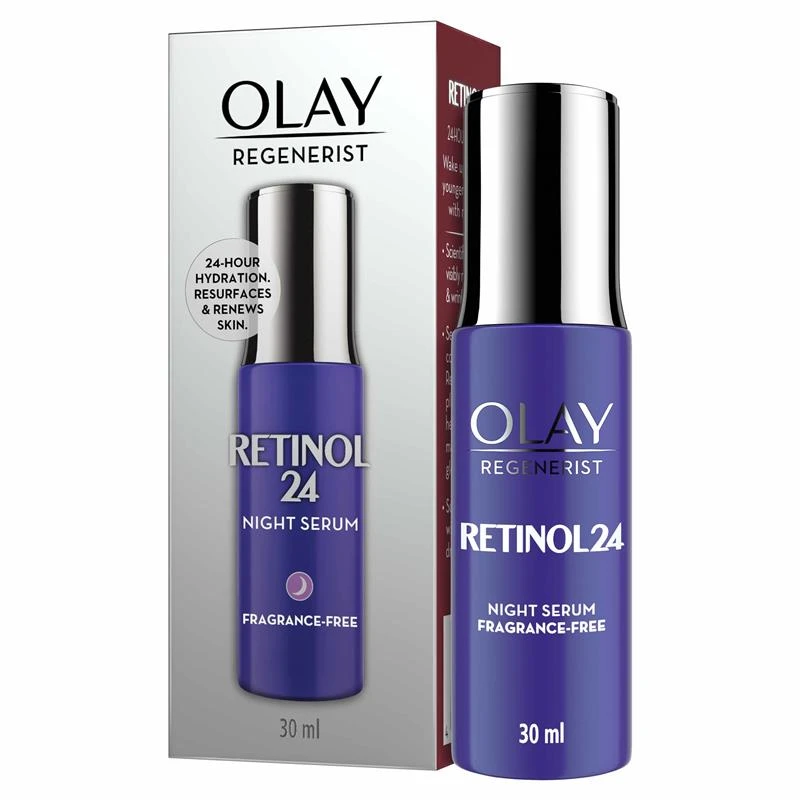
Standard retinol trapped inside lipid microspheres or polymer beads. The retinol releases slowly into the skin over 8–24 hours instead of all at once. Same molecule as naked retinol, but with reduced irritation peak. CeraVe Resurfacing Retinol and Olay Regenerist Retinol24 both use this approach.
Best for: most people, most of the time. The "set-and-forget" retinol format — the marketing is genuinely true here.
6
Bakuchiol Pregnancy-safe
Irritation: 5/5 · Evidence: 3/5
A plant-derived meroterpene from Psoralea corylifolia seeds. Behaves similarly to retinol in gene-expression studies (overlapping retinoid-like gene regulation) but with markedly less irritation. Evidence base: ~5 RCTs in the last 4 years (Dhaliwal 2019 is the most cited). Not a retinoid chemically — but the closest plant-based substitute.
Best for: pregnant users (retinoids are contraindicated in pregnancy), people with rosacea or eczema, anyone whose skin cannot tolerate any retinoid.
How to start using retinol (and not destroy your skin barrier)
This is the part the cosmetics industry gets wrong. Most "dermatologist recommended" advice skips the 6-week peeling phase. Here is the protocol that actually works:
Start at 0.025%–0.3% retinol, not 1%. The brand marketing will tell you "1% is the maximum strength" — they want you to buy the strongest version first because it has the highest markup. Your skin barrier does not care about marketing; it cares about the dose × frequency gradient.
Use 2 nights a week for the first 2 weeks. Then 3 nights. Then every other night. Then nightly. The "retinization" period lasts 6–8 weeks; expect peeling, dryness, and mild redness. If peeling is severe, step back to 2 nights a week for another 2 weeks.
Apply to dry skin, not damp skin. Wet skin absorbs retinol faster — which sounds good but actually increases irritation. Wait 10 minutes after washing before applying.
Use a pea-sized amount for the entire face. More is not better. A pea covers 100% of facial skin.
Always wear SPF 50+ the morning after. Retinoids make skin photosensitive for the first 6 months. Skip sunscreen and you'll trade anti-aging benefits for new hyperpigmentation.
Buffer with moisturizer if you can't tolerate it. The "sandwich method" — moisturizer, retinol, moisturizer — reduces irritation by ~50% with a small cost to efficacy. Use it for the first month if needed, then drop the top layer.
Stop 5 days before any waxing, chemical peel, or laser treatment. Retinoid + exfoliation = raw skin. Same rule for isotretinoin (Accutane) users — never combine.
Top picks by use case
Best budget entry
The Ordinary Retinol 0.5% in Squalane
~$6.50 USD, 30ml. 0.5% retinol in a hydrating squalane base. The correct starting concentration for first-time users. Read the full retinol guide →
Most evidence per dollar
RoC Retinol Correxion Deep Wrinkle Night Cream
~$23 USD. RoC has been the most clinically cited mass-market retinol brand since 1995. Sold in TH Watsons/Boots. Best value for evidence-backed retinol.
Best for sensitive skin
The Ordinary Granactive Retinoid 2% Emulsion
~$9 USD. HPR binds retinoic acid receptors directly without conversion. The gentlest retinoid in our list.
Best dermatologist-grade
La Roche-Posay Retinol B3 Serum
~$40 USD. French pharmacy retinol + niacinamide. The right starting point if you want dermatologist validation. Sold in TH Watsons.
Best retinal
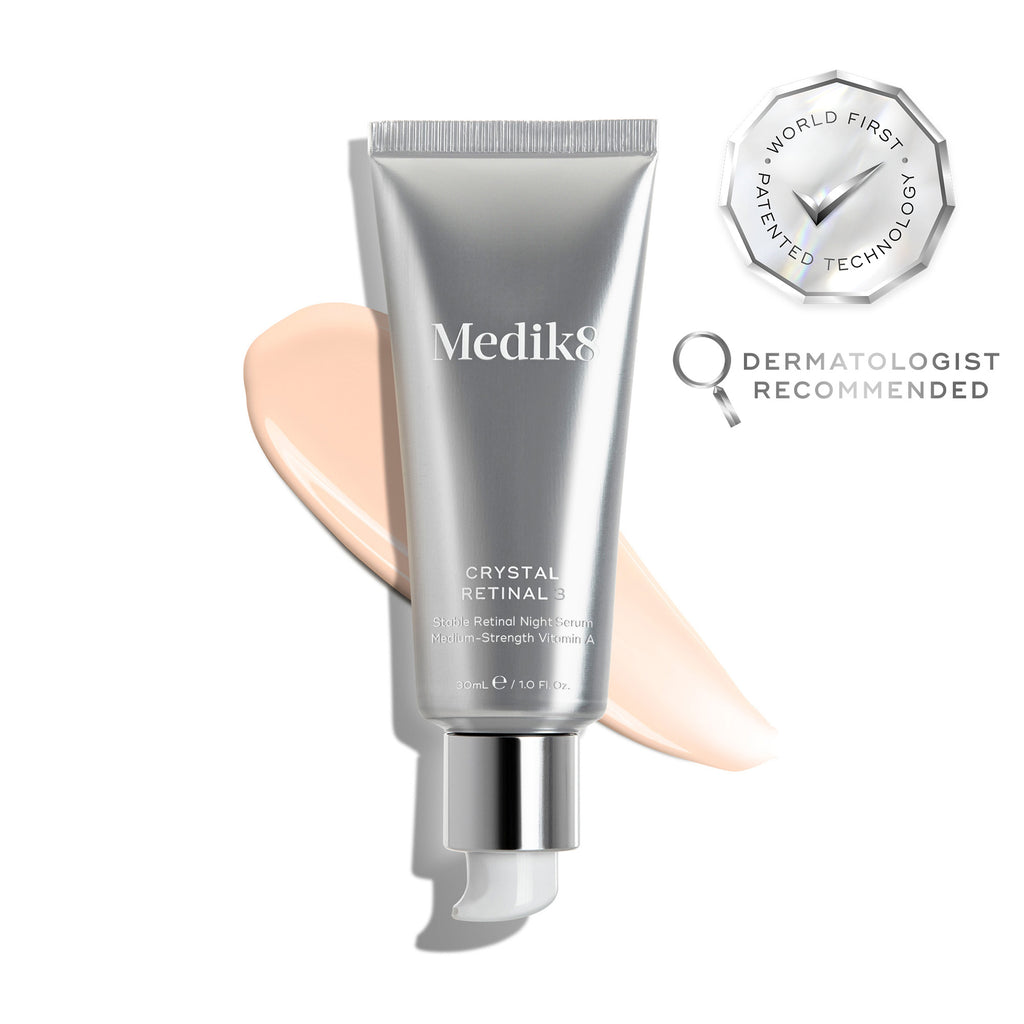
Medik8 Crystal Retinal 3
~$75 USD. Retinaldehyde 0.03% — 10× more potent per molecule than retinol. The right choice when retinol has plateaued.
Best for pregnancy
Bakuchiol (e.g. The Ordinary Bakuchiol)
Plant-derived, retinoid-like but chemically distinct. Safe in pregnancy (Category B). Modest evidence base; expect 3–6 months for results.
Best Thailand-available premium
CeraVe Resurfacing Retinol Serum
~$27 USD. Encapsulated retinol in ceramide base. Widely available in TH Watsons, Boots, and most Thai pharmacies.
Best premium / iHerb
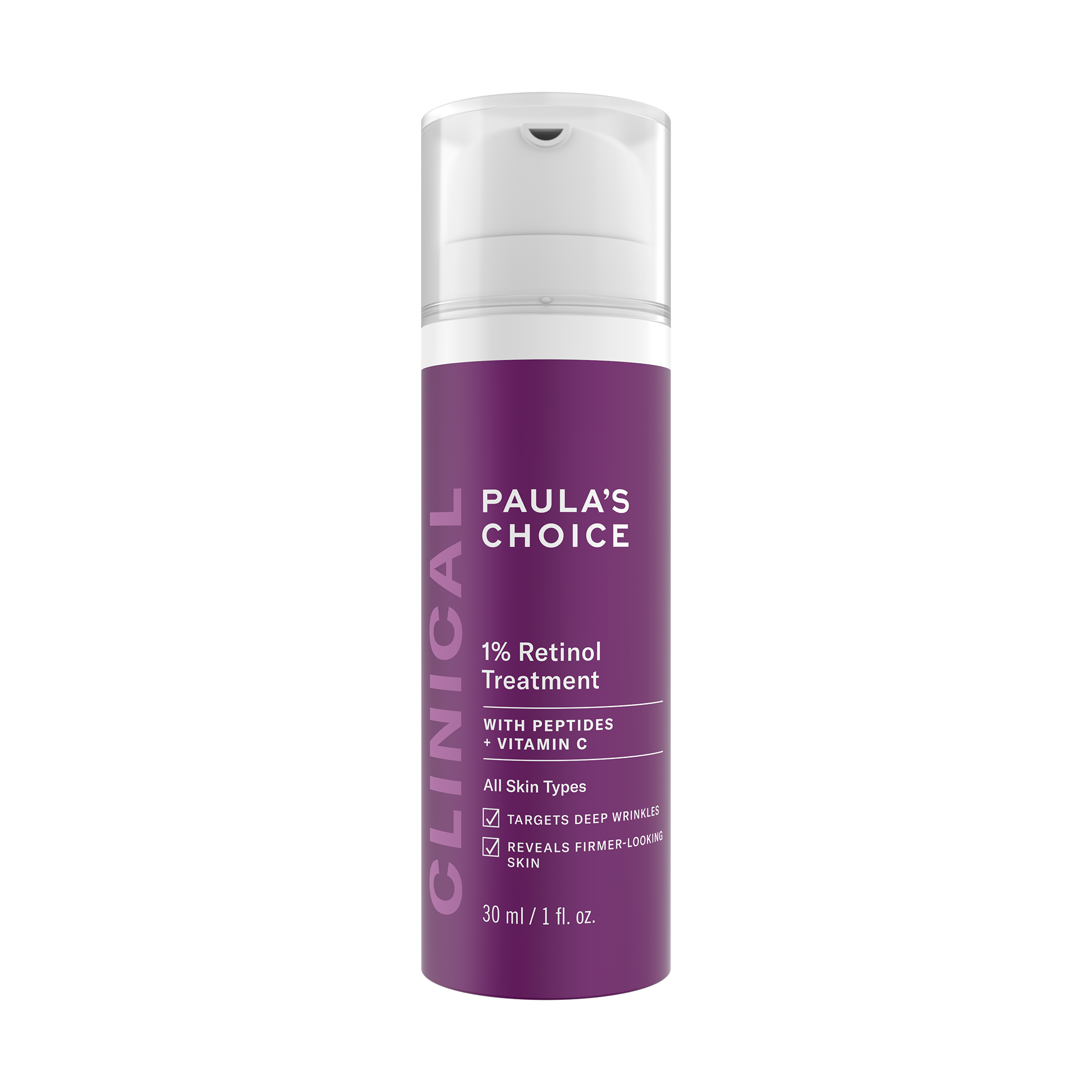
Paula's Choice Clinical 1% Retinol Treatment
~$56 USD. The most-cited retinol product in dermatology literature. Order via iHerb for TH shipping.
Best Thailand-local clinical brand
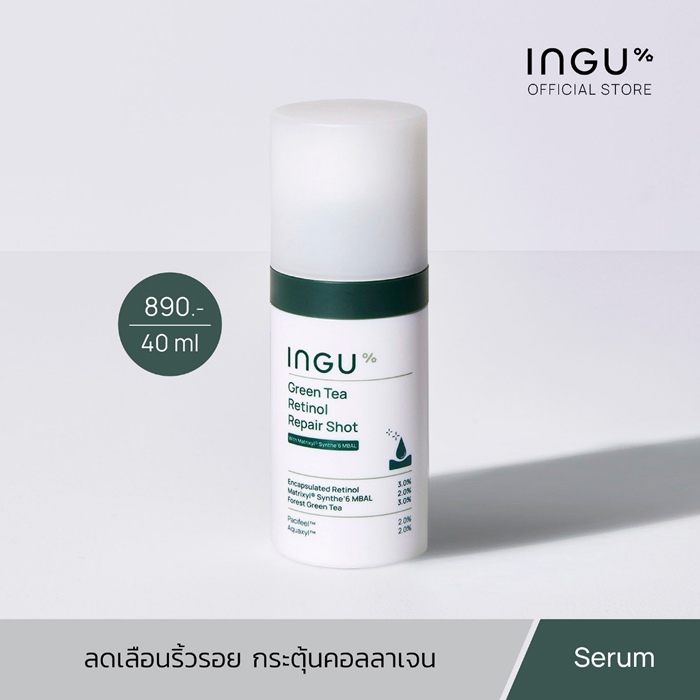
INGU Green Tea Retinol Repair Shot
THB 890 (~$25.50 USD). Thai clinical brand (อิงกุ) — encapsulated retinol in single-shot serum format. THB-priced for Thai consumers. Encapsulation reduces irritation peak relative to naked retinol.
Best premium gold-standard (vegan)
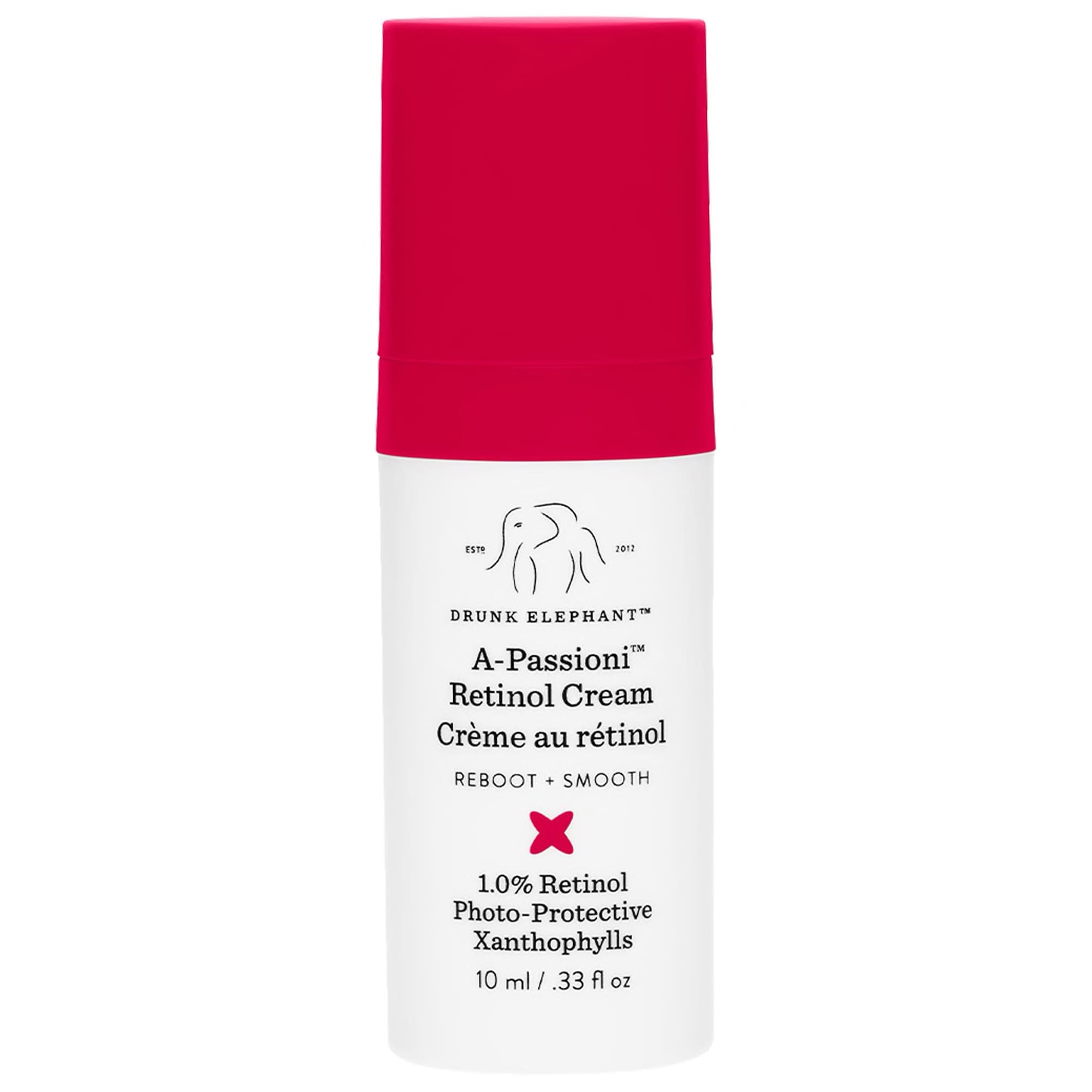
Drunk Elephant A-Passioni 1% Retinol Cream
~$80 USD. Gold-standard premium retinol cream — 1% retinol + vitamin F + peptides, fully vegan. Sold at Sephora AU and iHerb for TH shipping.
Side effects & drug interactions
Retinoids are powerful actives. Most users experience some peeling during the first 6 weeks — this is normal, not a sign of damage. Severe reactions are rare but real.
Common (expected) side effects
Dryness, peeling, flaking (first 6–8 weeks)
Mild redness, tightness, stinging
Initial purging (small breakouts as cell turnover accelerates)
Increased sun sensitivity for 3–6 months
Temporary darkening of post-acne marks (post-inflammatory hyperpigmentation)
Stop use and see a dermatologist if
Severe burning, swelling, or crusting (allergic contact dermatitis)
Persistent redness after 8 weeks of consistent use
Pregnancy or trying to conceive — retinoids are teratogenic
Concurrent use of isotretinoin (Accutane) or topical tretinoin
Active eczema, rosacea flare, or sunburn on the application area
Recent waxing, chemical peel, or laser (wait 5–7 days)
References & sources
Mukherjee S, et al. (2006). Retinoids in the treatment of skin aging: an overview of clinical efficacy and safety. Clinical Interventions in Aging 1(4):327-348. PMID: 18046911
Bissett DL (2009). Common cosmeceuticals. Clinics in Dermatology 27(5):435-445. PMID: 19695470
Dhaliwal S, et al. (2019). Prospective, randomized, double-blind assessment of topical bakuchiol and retinol for facial photoageing. British Journal of Dermatology 180(2):289-296. PMID: 29947134
Ruth N, et al. (2017). Clinical efficacy and tolerability of a novel hydroxypinacolone retinoate (HPR) formulation. Journal of Drugs in Dermatology. (Granactive Retinoid vs retinol RCT)
American Academy of Dermatology — Retinoid overview for patients. aad.org
Examine.com — Retinol / Vitamin A research review. examine.com
Chemist Warehouse AU, Sephora AU, iHerb, The Ordinary, CeraVe AU, Neutrogena AU, Olay AU, La Roche-Posay AU, Paula's Choice, RoC AU, Medik8 AU, Bioderma TH, Drunk Elephant — product pages and price snapshots cited per row above (date column).
Trusted brands we rate
These 10 brands are featured on every vitfacts.com comparison page. We track them
for ingredient transparency, third-party testing, and Thailand availability.
A clinical-active cult brand built around single-molecule formulas at price points that disrupted the skincare industry. Sold at Sephora, Chemist Warehouse, and most Thai beauty retailers.
A dermatologist-developed US brand built around ceramides + MVE controlled-release technology. Sold at Chemist Warehouse, Watsons, Boots, and most major pharmacies worldwide.
A 70-year-old P&G mass-market skincare brand with clinical retinol offerings in the Regenerist line. Widely stocked at supermarkets, Watsons, Boots, and Chemist Warehouse.
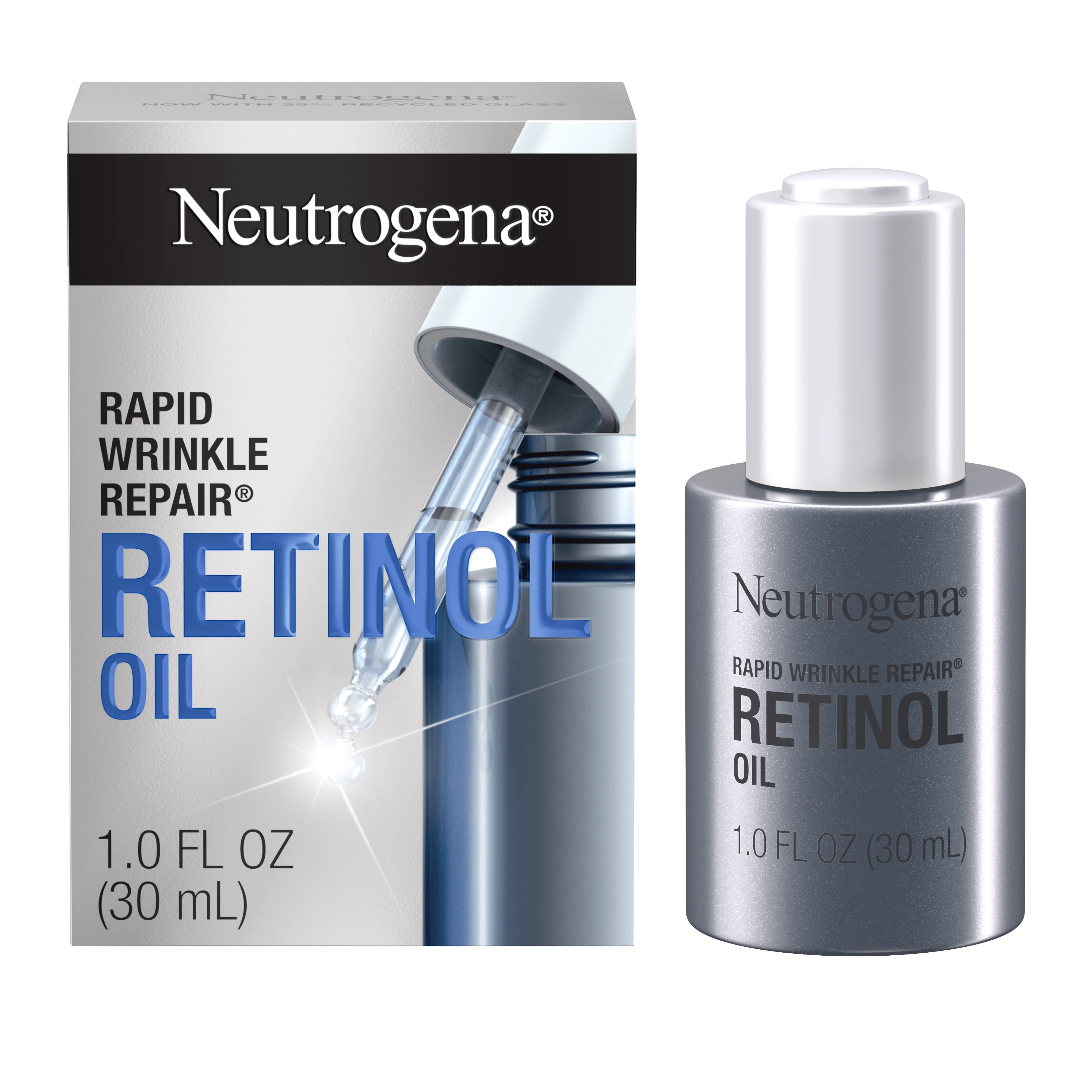
A dermatologist-recommended US brand with a deep retinol catalog (Rapid Wrinkle Repair, Stubborn Texture). One of the most-searched retinol brands on both AU and TH retail sites.
A French pharmacy-grade dermocosmetics brand endorsed by dermatologists worldwide. Their Retinol B3 serum and Redermic lines are bestsellers in both Australian and Thai pharmacies.
A research-driven US skincare brand founded by chemist Paula Begoun. The Clinical 1% Retinol Treatment is one of the most-cited retinol products in dermatology literature. Sold via own site, iHerb, and Sephora.
A US skincare brand that has specialised in retinol since 1995 — one of the first mass-market retinol lines. The Retinol Correxion line is a household name in AU and TH pharmacies.
A UK professional-grade skincare brand built around CSA philosophy (Vitamin C + Sunscreen + Vitamin A). Their Crystal Retinal series is one of the most stable retinaldehyde products on the market.
A French dermo-cosmetic brand under the NAOS group, widely sold at Watsons, Boots, and Thai independent pharmacies. Recently expanded retinol line with the Retinol+C10 serum.
A US premium "biocompatible" skincare brand owned by Shiseido. The A-Passioni 1% Retinol Cream is widely considered the gold standard in the premium retinol segment. Sold at Sephora, Mecca, and iHerb.
Since Thailand (founded year unverified — about/story page does not state a year)
MID
A Thai clinical-skincare brand (อิงกุ) built around ingredient transparency and research-led formulations. Operates two product lines: topical skincare (Green Tea Biome Balance cleansers/creams, Green Tea Retinol Serum Shot, Vitamin C AOX Glowing Serum, broad-spectrum sunscreens) and an oral INU range (astadaily / astanext Astaxanthin + Vitamin E antioxidant supplements).
Why these 10? See the VitFacts editorial policy page (forthcoming) for the criteria — minimum
10 years of documented safety record, public certificate-of-analysis policy, and verifiable
Thailand distribution.