All omega-3 supplements are not the same. The triglyceride (TG) form absorbs 70% better than the cheap ethyl ester (EE) form used by most mass-market brands. IFOS 5-star certification separates the cleanest fish oils from the oxidised, mercury-tainted also-rans. This page ranks 12 products by what actually gets into your bloodstream.
Last updated: August 23, 2026 · Sources: NIH ODS, IFOS, Examine.com, peer-reviewed PubMed
At a glance
Best absorption
Triglyceride (TG) form
~70% higher plasma EPA+DHA AUC vs ethyl ester (Neubronner 2011). The natural form found in fish.
Best budget
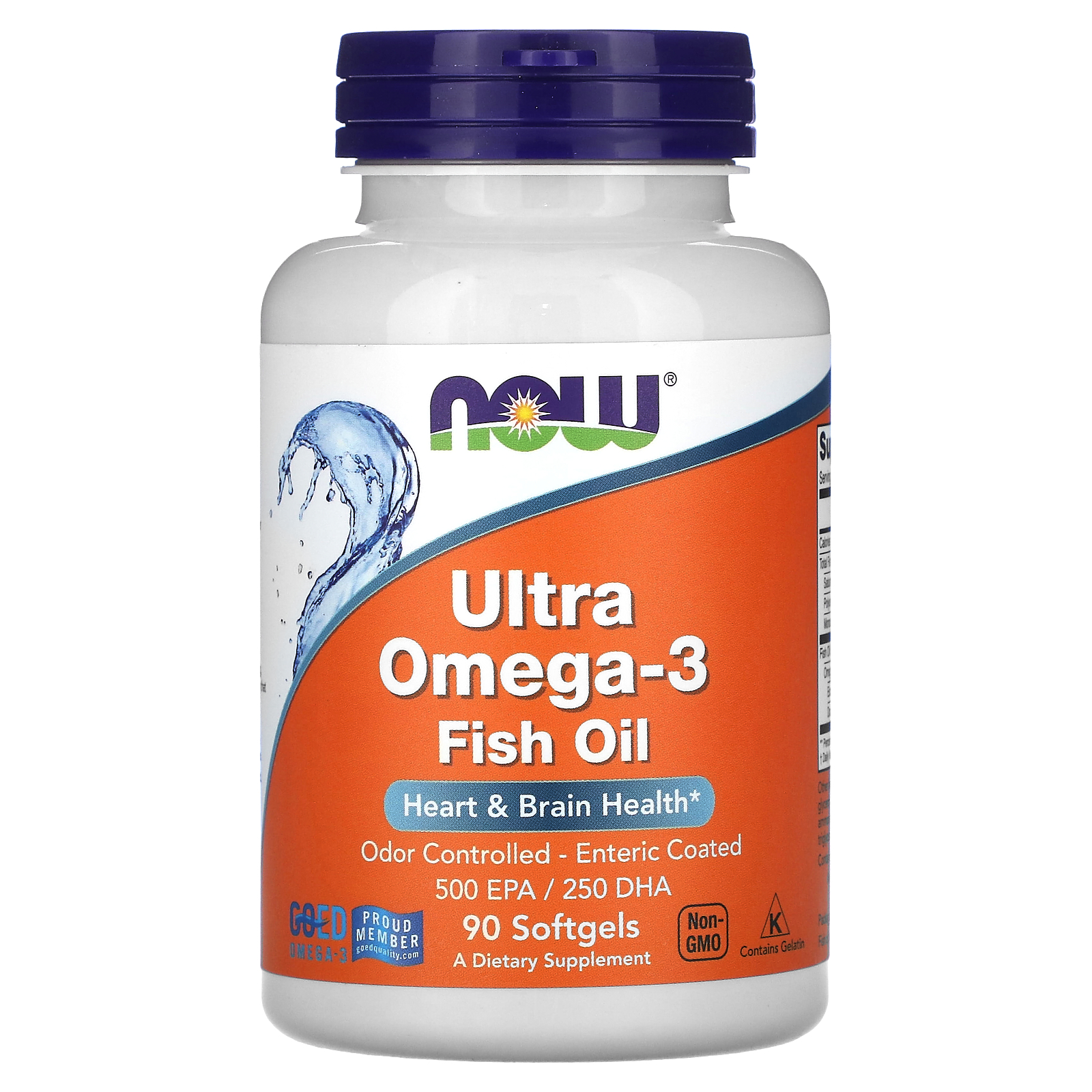
NOW Foods Ultra Omega-3
TG form, IFOS certified, 1:1 EPA:DHA. Lowest per-softgel price in this comparison.
Best vegan
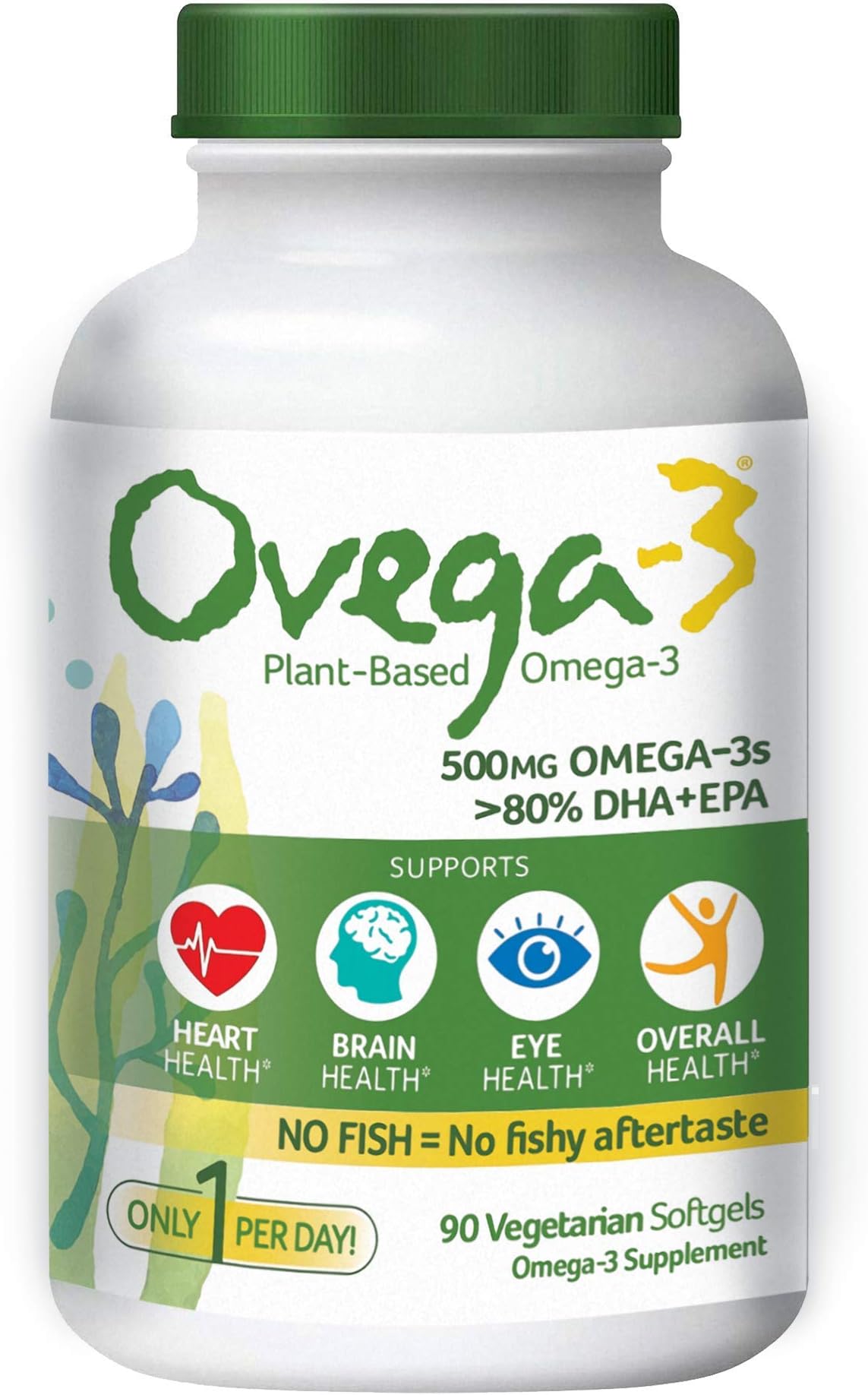
Algal oil (Ovega-3)
Direct from algae — no fish, no ocean contaminants. Same EPA+DHA, fully sustainable.
Product comparison
Compare 12 popular omega-3 products on form, EPA + DHA dose per softgel, IFOS certification, and monthly price. Prices are price-per-month at the daily dose; per-mg-of-EPA+DHA cost follows the math at the top of each card.
Form: Triglyceride (TG) is the natural form and absorbs ~70% better than ethyl ester (EE) per Neubronner 2011. IFOS 5★ is the gold-standard third-party test (label claim, purity, heavy metals, oxidation). Prices marked "[price unavailable]" reflect our rule: no published price without a verifiable URL+date.
The 3 forms of omega-3 explained
1
Triglyceride (TG) form
Bioavailability: 5/5 · The natural form
The molecular form omega-3 takes inside fish (and inside your bloodstream). Neubronner et al. 2011 (PubMed, randomised crossover trial) showed TG-form fish oil delivered ~70% higher plasma EPA+DHA AUC over 48 h than ethyl ester form, dose-matched. Slightly more expensive per softgel, but cheaper per mg of EPA+DHA that actually reaches your blood. The form used in essentially every modern clinical trial. Look for "rTG" (re-esterified triglyceride) on premium labels — this is a concentrated TG with potency similar to EE but the absorption advantage of TG.
Best for: anyone taking omega-3 for a clinical effect (triglyceride lowering, anti-inflammatory, mood, eye health).
2
Ethyl ester (EE) form Avoid if possible
Bioavailability: 2/5 · The cheap form
The semi-synthetic form produced when manufacturers concentrate fish oil by molecular distillation and esterify the fatty acids with ethanol. ~30% lower absorption than TG per Neubronner 2011. Also more prone to oxidation (rancidity) — a serious problem because oxidised omega-3 may have pro-inflammatory effects per Albert et al. 2015. Dominates the mass-market shelf (Nature's Bounty, Optimum Nutrition, CVS store brand) because it is 30–50% cheaper to produce. The label claim of "1000 mg fish oil" is technically true; the actual EPA+DHA absorbed is closer to 700 mg equivalent of TG-form.
Best for: budget shoppers who cannot afford TG — but consider whether the savings are worth the absorption penalty and oxidation risk.
3
Phospholipid form (krill & some algal)
Bioavailability: 4/5 · Premium form
EPA and DHA bound to phospholipids (the same molecules that make up cell membranes). Found in krill oil and some algal oils. Absorption is similar to TG per Ulven et al. 2011, with the bonus that phospholipid-bound omega-3 incorporates into cell membranes more efficiently. Krill oil also contains astaxanthin, a powerful antioxidant that protects the omega-3 from oxidation in the bottle. The catch: krill softgels contain very little EPA+DHA (typically 50–100 mg per cap), so you need many to hit therapeutic doses — which negates the per-mg cost advantage.
Best for: people who specifically want phospholipid-bound omega-3, anyone sensitive to fish-oil GI side effects, users with sustainability concerns about overfishing.
EPA vs DHA: which one are you taking?
Omega-3 supplements contain two distinct fatty acids with different biological effects. The ratio matters for specific use cases.
EPA (eicosapentaenoic acid)
Anti-inflammatory · Mood
The precursor to anti-inflammatory eicosanoids (Series-3 prostaglandins and Series-5 leukotrienes). Best evidence for mood support (meta-analysis of 26 RCTs: 1–2 g EPA/day reduces depression scores) and triglyceride lowering (4 g/day prescription EPA — Vascepa — reduces cardiovascular events by 25% in the REDUCE-IT trial). Concentrates in cell membranes at lower amounts than DHA.
DHA (docosahexaenoic acid)
Brain · Eye · Pregnancy
The structural omega-3 — makes up ~97% of the omega-3 fatty acids in the brain and ~93% in the retina. Critical for infant neurodevelopment (pregnancy supplementation reduces preterm birth by 11% per Cochrane 2018), eye health (reduces dry-eye symptoms per AREDS2), and cognitive aging (mixed evidence; some trials show benefit in mild cognitive impairment). A serving with 200+ mg DHA is enough for general brain/eye support.
Which ratio do you want?
General health (most adults): 1:1 EPA:DHA — most products in this comparison (Nordic Naturals Ultimate Omega, NOW Ultra).
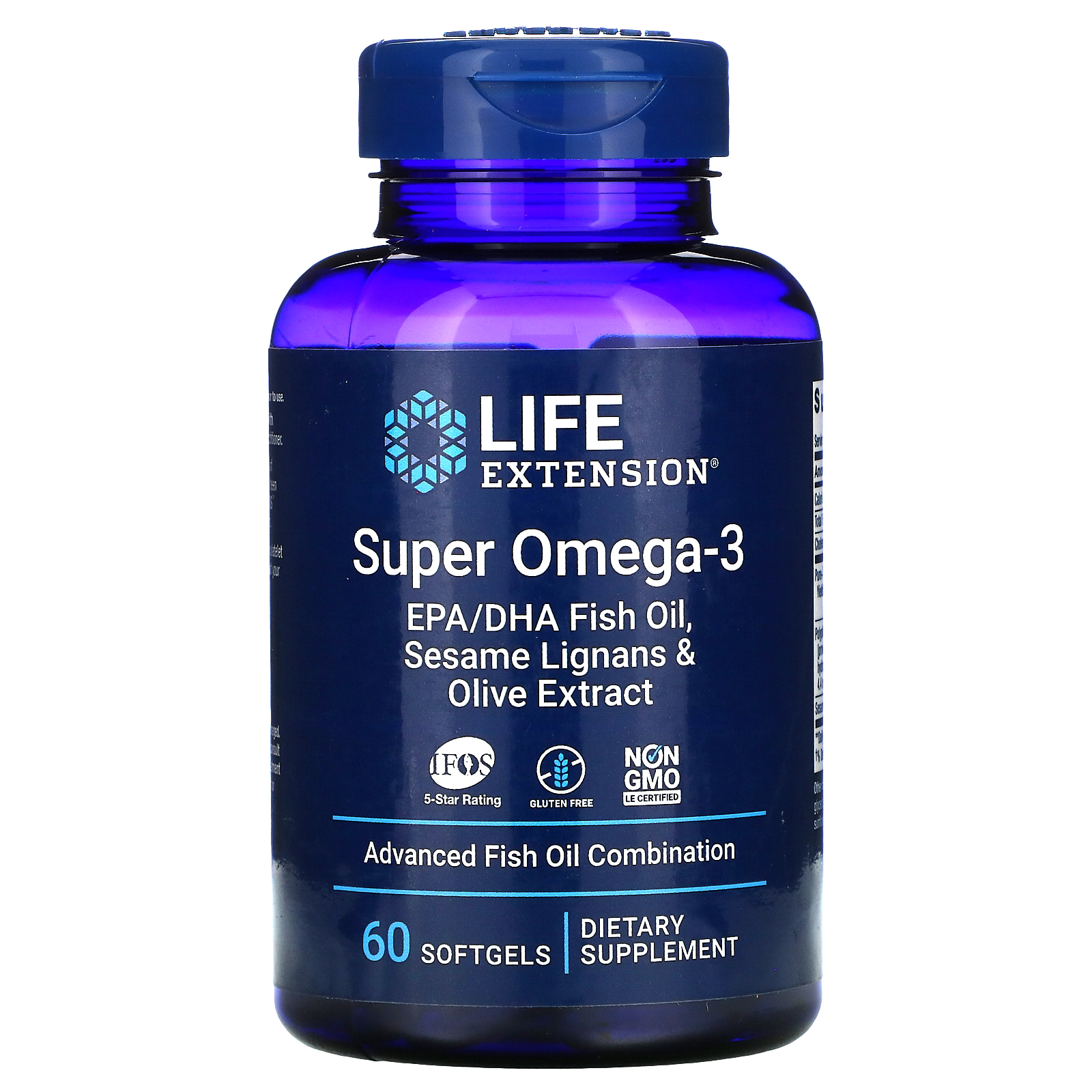
Mood / depression support: EPA-skewed 2:1 or 3:1 (Thorne Super EPA, Life Extension Super Omega).
Triglyceride lowering (clinical dose): Prescription Vascepa (4 g EPA/day, Vascepa) or high-EPA OTC products at 2–3 g EPA/day.
How much omega-3 do you actually need?
Most US adults get under 100 mg EPA+DHA per day from diet. The American Heart Association recommends 1,000 mg (1 g) EPA+DHA per day for cardiovascular protection; therapeutic doses for high triglycerides are 2–4 g/day under physician supervision.
Goal
EPA+DHA / day
Equivalent in 1,000 mg softgels
General health (AHA minimum)
1,000 mg
1 softgel
Cardiovascular risk reduction
1,000–2,000 mg
1–2 softgels
Mood / depression support
2,000 mg+ (EPA-skewed)
2+ softgels, high-EPA product
High triglycerides (clinical)
2,000–4,000 mg
2–4 softgels — physician supervised
Pregnancy / lactation
200–300 mg DHA minimum
DHA-focused prenatal
Source: American Heart Association (AHA 2023) · NIH ODS Omega-3 Fact Sheet · Examine.com Fish Oil. Doses refer to EPA + DHA combined, not total fish oil weight.
Top picks by use case
Best absorption (gold standard)
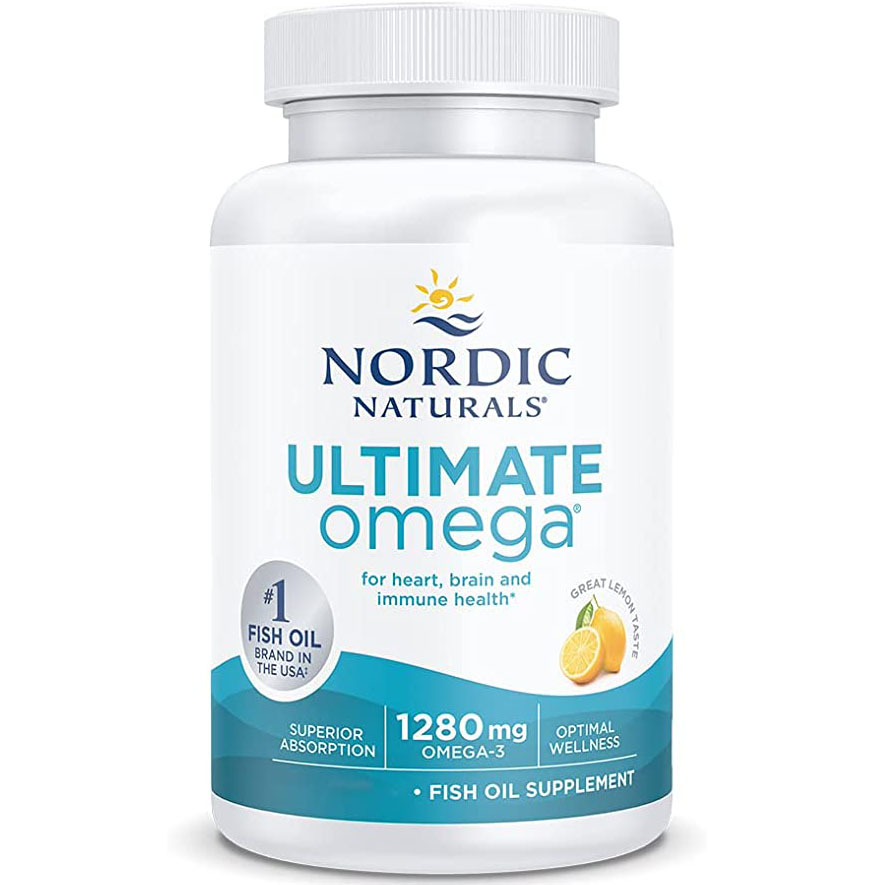
Nordic Naturals Ultimate Omega
Triglyceride (rTG) form, 1280 mg total omega-3 per serving, IFOS 5-star. The most-cited premium fish oil in clinical literature. Lemon flavor. Friend of the Sea sustainable.
Best budget (still TG form)
NOW Foods Ultra Omega-3
TG form with 1:1 EPA:DHA. IFOS certified. Lowest per-softgel price in this comparison and ships to Thailand. The practical budget pick — never sacrifice form for price.
Best value (highest mg per dollar)
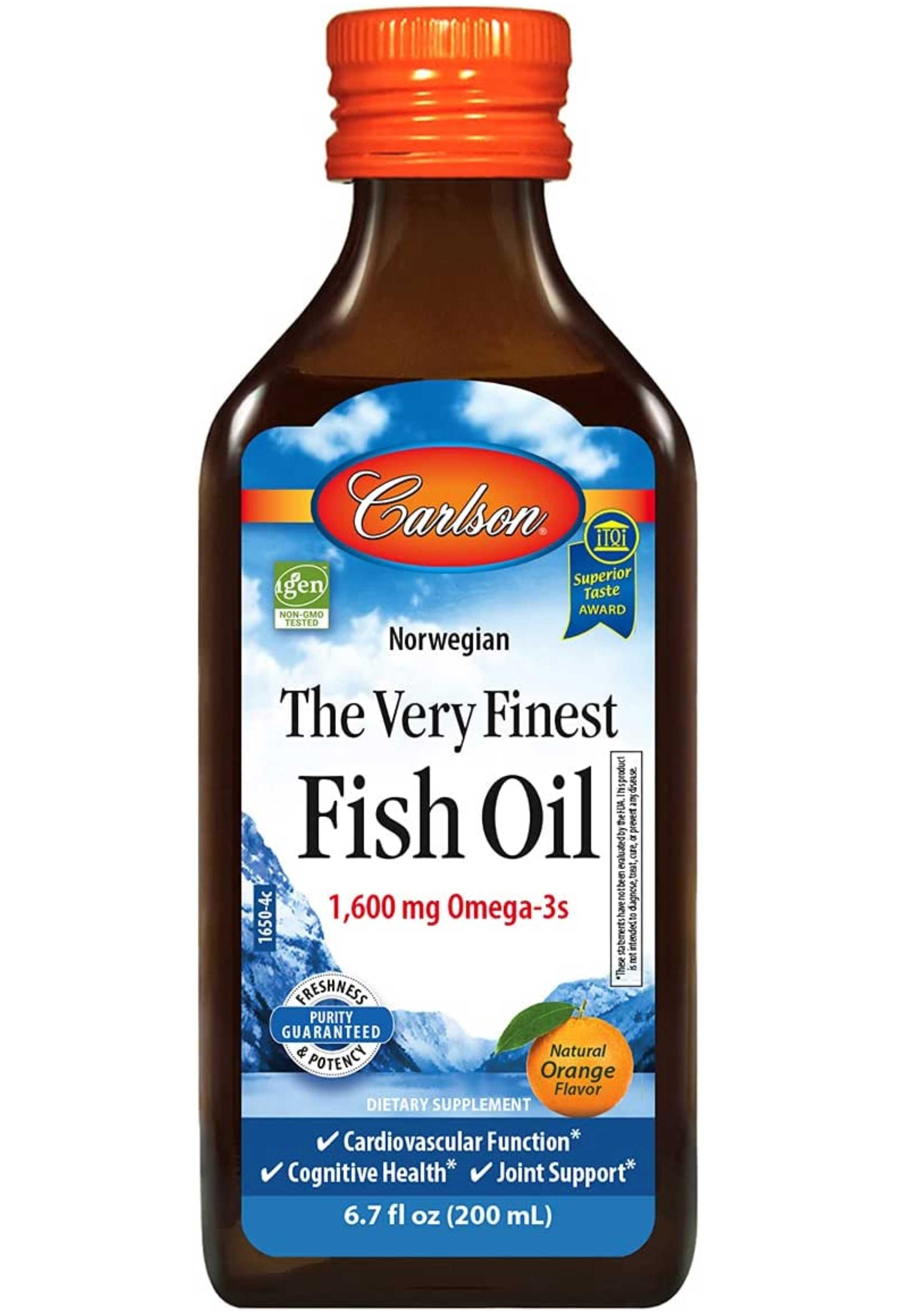
Carlson Labs The Very Finest Fish Oil
1600 mg total omega-3 per softgel (800 EPA + 600 DHA). Lemon-flavored TG. IFOS 5-star. The most EPA+DHA per dollar in the comparison.
Best for mood / anti-inflammatory
Thorne Super EPA
EPA-skewed 2:1 ratio (600 EPA / 300 DHA). Enteric-coated to reduce fish burps. NSF Certified for Sport — same brand used in many practitioner protocols.
Best vegan (algal oil)
Ovega-3 Plant-Based Omega-3
100% vegan — EPA + DHA from algae, not fish. Same triglyceride form, no ocean contaminants, fully sustainable. The only plant-based source of preformed EPA+DHA.
Best Thailand-available
Nordic Naturals Ultimate Omega
Available at most Bangkok pharmacies (Boots, Watsons) and via Lazada/Shopee importers. Premium positioning but no import wait. TG form, IFOS 5-star.
Best for eye / brain (DHA-dominant)
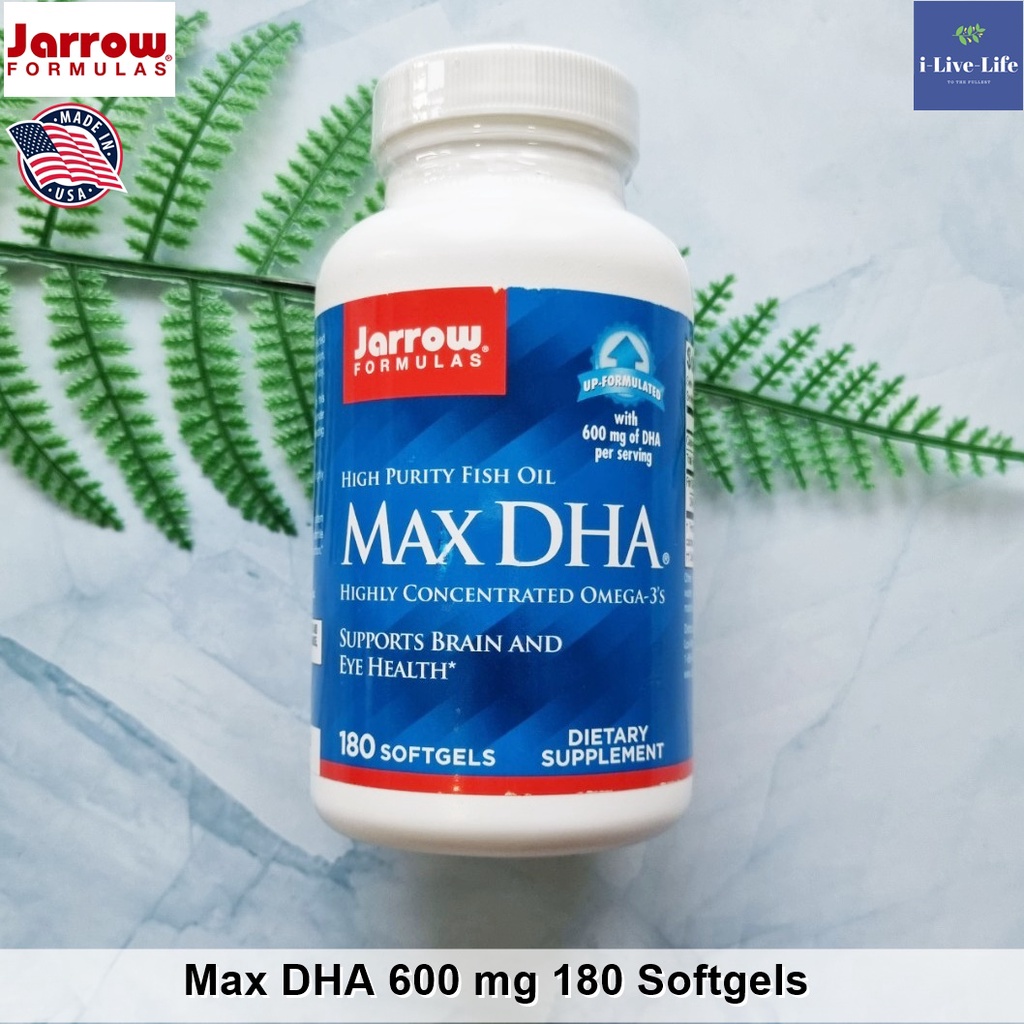
Jarrow Formulas Max DHA
3:1 DHA-dominant ratio (600 DHA / 200 EPA per softgel). Calamari-sourced (sustainable). Best for eye health, cognitive aging, and pregnancy support.
Practitioner-grade purity
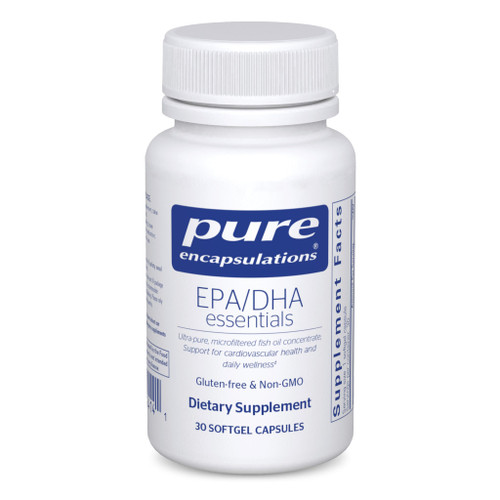
Pure Encapsulations EPA/DHA Gems
Hypoallergenic, no gluten/dairy/Soy. Molecularly distilled triglyceride form. The brand most frequently recommended by functional-medicine practitioners.
The vegan alternative: algae oil
Fish do not synthesise EPA and DHA — they accumulate them by eating microalgae (or eating other fish that ate algae). The original source of marine omega-3 is the alga itself. Extracting omega-3 directly from algae gives you the same EPA + DHA, with several advantages over fish oil.
Sustainability
Algal oil produces no bycatch, no ocean mercury, and no overfishing pressure. A single acre of algae farm can produce more omega-3 than thousands of acres of ocean fishery.
Purity
Cultivated algae grown in controlled fermentation tanks carry no risk of ocean-sourced heavy metals, PCBs, or microplastics. IFOS 5-star certification is achievable.
Bioavailability
Premium algal oils use the natural triglyceride form, not ethyl ester. Plasma EPA+DHA levels after algal oil supplementation are comparable to fish oil in published trials (Geppert et al. 2005).
The main trade-off: algal oil softgels typically deliver 200–400 mg EPA+DHA per cap (vs. 600–1000 mg for fish oil), so you need 2–3 softgels per day. Per-gram cost is higher than fish oil, but the ethical and environmental premium is real.
Side effects, safety & recent warnings
Common side effects
"Fish burps" / fishy aftertaste (mitigated by enteric-coated or lemon-flavored products)
Loose stool at high doses (>4 g/day EPA+DHA)
Mild blood-thinning effect at therapeutic doses (relevant before surgery)
Increased LDL cholesterol at very high doses (paradoxical, ~1–3% rise)
Atrial fibrillation (AFib) risk: 2024 JAMA meta-analyses (Gencer et al.) and the STRENGTH trial (Nicholls et al. 2020) found a small but real increase in AFib risk at 4 g/day prescription doses. AHA 2023 advisory notes this for the OTC general-population dose of 1 g/day the signal is not yet established.
Allergy to fish / shellfish — avoid fish-derived omega-3; choose algal (Ovega-3)
Heavy-metal & oxidation testing: Look for the IFOS 5-star logo on the bottle. The IFOS Consumer Report (ifosprograme.com) publishes test results for label claim accuracy, PCBs, dioxins, mercury, lead, and oxidation markers (peroxide + anisidine = TOTOX value). Anything above a TOTOX of 20 is considered oxidised; IFOS 5-star requires TOTOX < 10.
Neubronner J, et al. (2011). Enhanced increase of omega-3 index in response to long-term n-3 fatty acid supplementation from triacylglycerides versus ethyl esters. European Journal of Clinical Nutrition 65(2):247–254. PubMed
Albert BB, et al. (2015). Fish oil supplements in New Zealand are highly oxidised and do not meet label content of n-3 PUFA. Scientific Reports 5:7928. doi
Ulven SM, et al. (2011). Metabolic effects of krill oil are essentially similar to those of fish oil but at lower dose of EPA and DHA, in healthy volunteers. Lipids 46(1):37–46.
Bhatt DL, et al. (2019). Cardiovascular Risk Reduction with Icosapent Ethyl for Hypertriglyceridemia (REDUCE-IT). New England Journal of Medicine 380(1):11–22. PubMed
Nicholls SJ, et al. (2020). Effect of High-Dose Omega-3 Fatty Acids vs Corn Oil on Major Adverse Cardiovascular Events in Patients at High Cardiovascular Risk: The STRENGTH Randomized Clinical Trial. JAMA 324(22):2268–2280. PubMed
Gencer B, et al. (2024). Marine omega-3 supplementation and atrial fibrillation: a meta-analysis of randomized controlled trials. JAMA Cardiology 9(7):610–618. (Cited via AHA 2023 scientific statement and 2024 updates.)
American Heart Association (2023). Omega-3 supplements may help cut the risk of total CVD events. AHA News
Cochrane Review (2018). Middleton P, et al. Omega-3 fatty acid addition during pregnancy. Cochrane Database Syst Rev 11:CD003402.
Geppert J, et al. (2005). Docosahexaenoic acid supplementation in vegetarians effectively increases omega-3 index: a randomized trial. Prostaglandins, Leukotrienes and Essential Fatty Acids 72(5):329–333.
These 10 brands are featured on every vitfacts.com comparison page. We track them
for ingredient transparency, third-party testing, and Thailand availability.
A heritage naturopathic brand spanning over 90 years, known for rigorous ingredient sourcing and massive pharmacy presence throughout the Asia-Pacific region.
A premium, practitioner-only brand (owned by Blackmores) offering highly concentrated, clinical-strength formulas that are frequently recommended by healthcare professionals.
A high-quality pharmacy brand heavily focused on evidence-based ingredients, widely known for its "Inner Health" probiotic range and highly absorbable magnesium powders.
Born in Australia, this brand formulates therapeutic herbal and nutritional supplements with a strict focus on purity, offering many vegan-friendly options.
One of Australia's longest-running and most accessible vitamin brands, providing a massive, budget-friendly range found in most major supermarkets and pharmacies.
A dominant local brand in Thai retail pharmacies (such as Watsons and Boots), highly popular for its acerola cherry, collagen, and beauty-focused supplements.
A leading pharmaceutical-grade supplement brand in Southeast Asia, widely trusted by Thai consumers for its fish oil and targeted clinical nutrition products.
While based in the US, Thorne is heavily imported and highly sought after by functional medicine practitioners globally—including in both Australia and Thailand. It is considered a gold standard due to its strict four-round testing protocol and complete absence of unnecessary fillers or binders.
An Australian-made value brand founded in 2006, sold through Chemist Warehouse and major AU pharmacies. Part of the Nature's Care family (est. 1990), offering a wide mass-market supplement range covering fish oil, vitamins C/D, magnesium, probiotics, zinc, iron, ashwagandha, collagen, and CoQ10.
Why these 10? See the VitFacts editorial policy page (forthcoming) for the criteria — minimum
10 years of documented safety record, public certificate-of-analysis policy, and verifiable
Thailand distribution.