Magnesium is a cofactor for more than 300 enzyme systems — muscle, nerve, bone, blood pressure — yet nearly half of US adults fall short of the RDA (420 mg men / 320 mg women). Eight forms are sold. Absorption swings from ~4% (oxide) to ~80% (glycinate), and price swings 5×. This page ranks 15 products by what actually gets into your blood.
Last updated: August 23, 2026 · Sources: NIH ODS, Examine.com, peer-reviewed PubMed
At a glance
Best for sleep & daily use
Magnesium Glycinate
~5× more bioavailable than oxide. No GI side effects. Walker 2003 + Schuette 1994.
Best budget
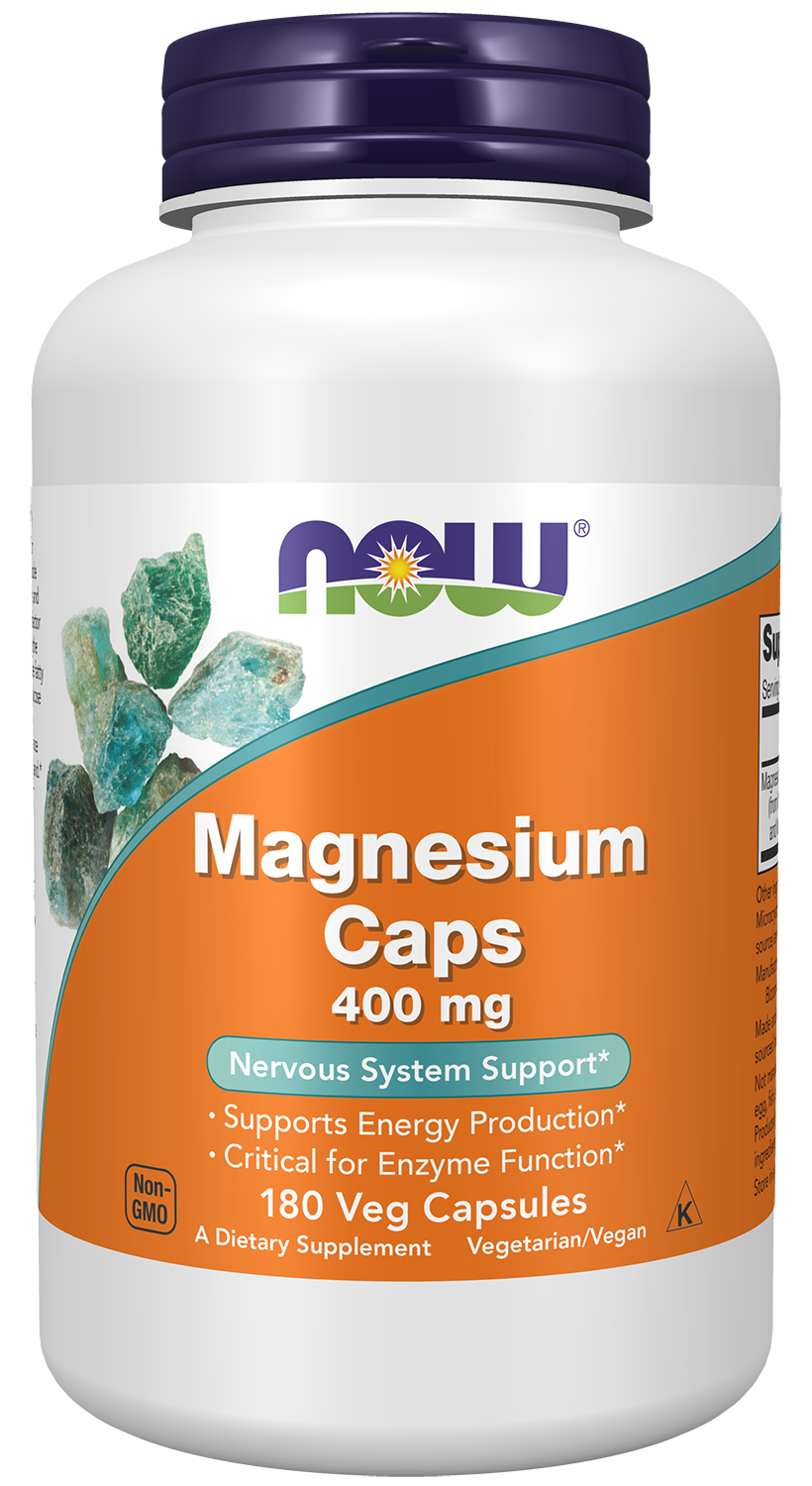
NOW Foods Mag Citrate
Organic chelate, widely available, well absorbed. Better than oxide at a similar price.
Best for cognition
Magnesium L-Threonate
The only oral form with peer-reviewed evidence for crossing the blood-brain barrier (Slutsky 2010, Neuron).
Product comparison
Compare 15 popular magnesium products on dose (elemental Mg), form, bioavailability score, and Thailand availability. Prices are price-per-month at the daily dose; per-milligram elemental cost follows the math at the top of each card.
Bioavailability 1/5 = ~4% absorption (oxide), 5/5 = highest-absorption oral chelate (glycinate, L-threonate).
"Elemental Mg" = actual usable magnesium per serving, not the total weight of the compound. Prices marked "[price unavailable]" reflect our rule: no published price without a verifiable URL+date. Topical products (Epsom salt, magnesium oil) are not rated for oral bioavailability.
The 7 forms of magnesium explained
1
Magnesium Glycinate (bisglycinate chelate) Best for daily use
Bioavailability: 5/5
Magnesium bound to two molecules of glycine. The chelate survives stomach acid and is taken up via dipeptide transporters in the small intestine. Walker et al. 2003 (Magnesium Research) found glycinate had the highest serum peak and lowest fecal loss of any form tested — meaning the most was absorbed and the least wasted. Schuette 1994 confirmed high bioavailability even in patients with ileal resection. No laxative effect at therapeutic doses.
Best for: daily long-term use, sleep, muscle relaxation, anyone with sensitive bowels, IBS, or Crohn's disease.
2
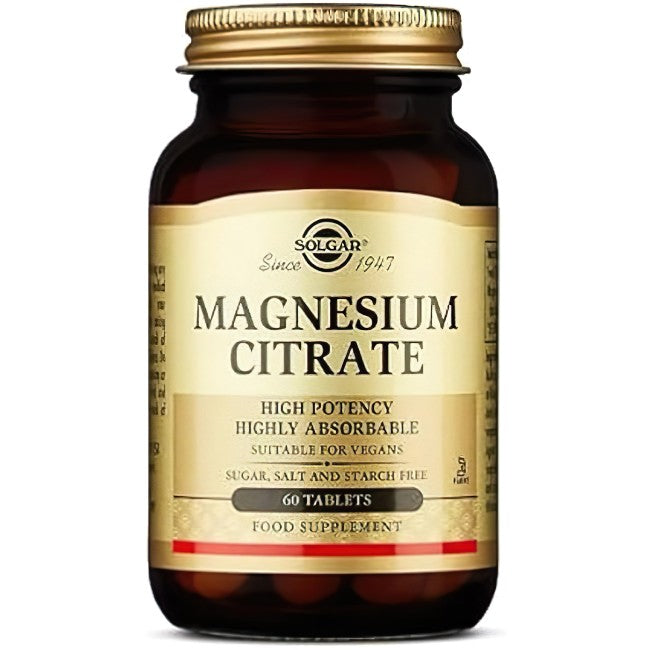
Magnesium Citrate
Bioavailability: 4/5
Magnesium bound to citric acid. The most widely sold and most studied organic chelate. Well absorbed (~30–40% fractional absorption per NIH ODS) and effective at raising serum magnesium. The mild laxative effect is actually a clinical benefit for people with occasional constipation — it's the form used in most pre-colonoscopy bowel preps. Available in tablets, capsules, and powder (Natural Calm).
Best for: general use, occasional constipation, anyone who wants well-absorbed magnesium at a mid-range price, powder-format users.
3
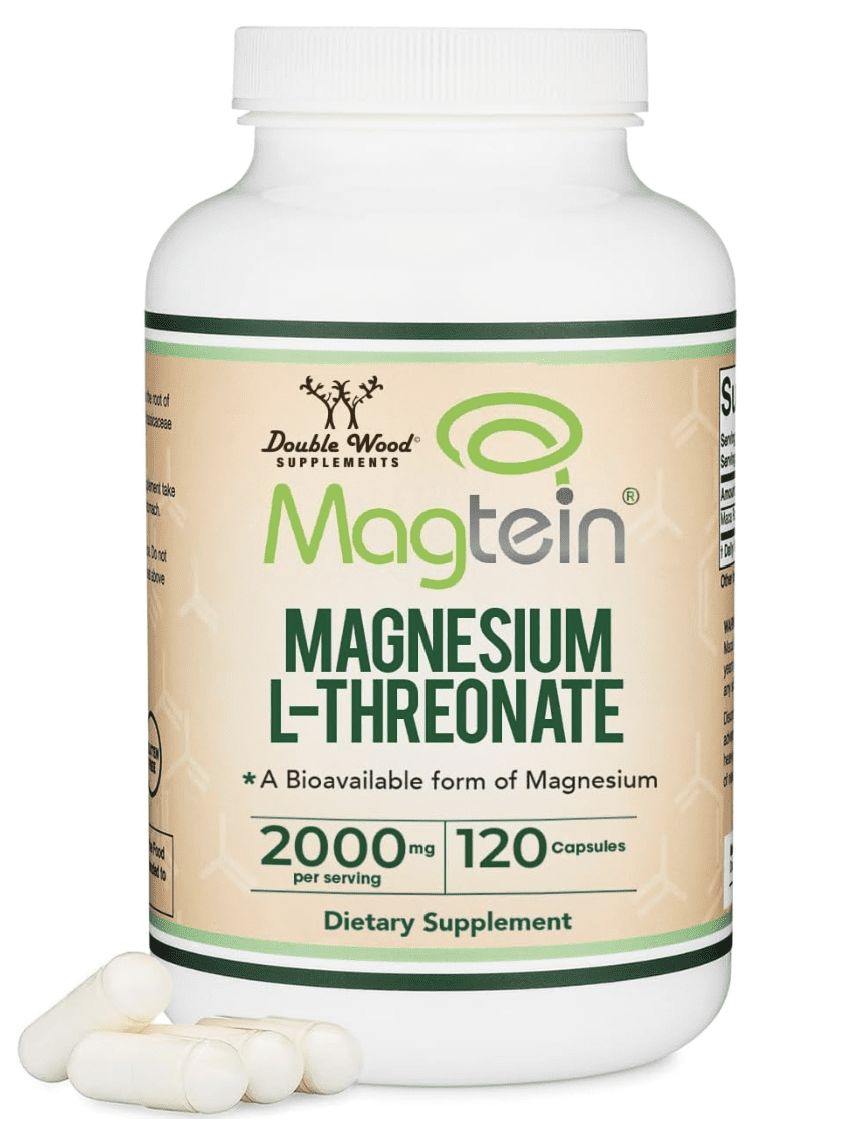
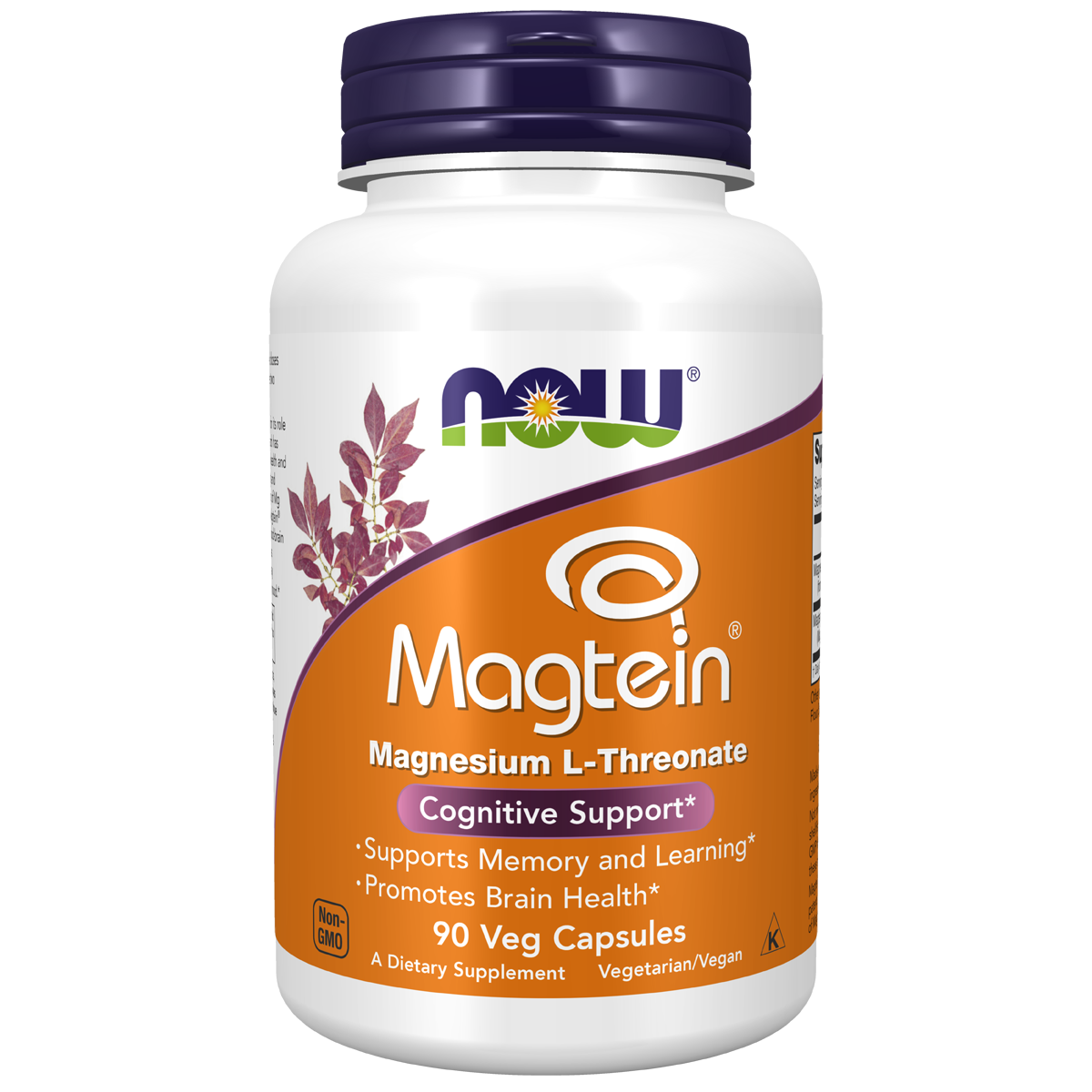
Magnesium L-Threonate (Magtein®) Best for cognition
Bioavailability: 5/5
Patented form developed at MIT. The L-threonate carrier is a vitamin C metabolite that appears to facilitate magnesium transport across the blood-brain barrier — the only oral form with peer-reviewed human evidence for raising brain Mg²⁺. Slutsky et al. 2010 (Neuron) showed enhanced learning and memory in mice; Liu 2015 (J Alzheimers Dis) showed improved cognitive ability in adults 50–70 with memory complaints. Expensive (~4–8× the price per mg vs glycinate).
Best for: adults 50+ concerned about age-related cognitive decline, subjective memory complaints, anyone willing to pay a premium for the only brain-targeted magnesium.
4
Magnesium Malate
Bioavailability: 4/5
Magnesium bound to malic acid, a Krebs cycle intermediate that participates in cellular ATP synthesis. Well absorbed and gentle on the GI tract — less laxative effect than citrate. Marketed heavily for fibromyalgia and chronic fatigue, though the evidence is limited (Russell 1995 open-label trial and case reports, no large RCTs). The malic acid contribution is real biochemically but modest at typical supplement doses.
Best for: fibromyalgia, chronic muscle pain, daytime use (won't make you drowsy), people who found citrate too laxative.
5
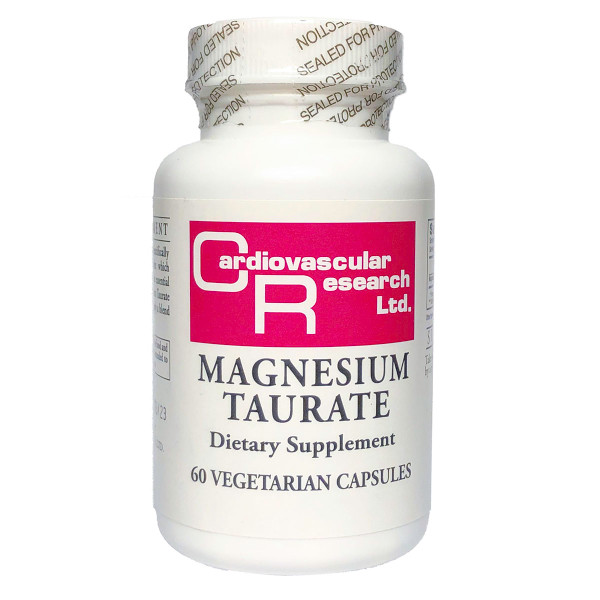
Magnesium Taurate
Bioavailability: 4/5
Magnesium bound to taurine, an amino acid with its own evidence base for blood pressure, cardiac rhythm, and antioxidant defense. The combination is marketed for cardiovascular support — both components have independent cardioprotective properties. Well absorbed, gentle on the GI tract. No head-to-head trials against glycinate for cardiovascular endpoints specifically, but the taurine contribution adds a meaningful second mechanism.
Best for: adults with mild hypertension or palpitations, anyone wanting cardiovascular support, people interested in taurine's GABAergic / calming effect.
6
Magnesium Oxide Avoid for repletion
Bioavailability: 1/5
The cheapest form — ~60% elemental Mg by weight but only ~4% actually absorbed per Lindberg 1990 and Walker 2003. A 400 mg oxide tablet delivers only ~16 mg of usable magnesium to the bloodstream; the other 384 mg passes through. The remaining oxide draws water into the gut osmotically — which is why it's sold as a laxative (Phillips' Milk of Magnesia). Essentially useless for raising magnesium status, despite being the form in most "cheap magnesium" tablets.
Best for: cheap, predictable constipation relief. NOT for repleting magnesium stores.
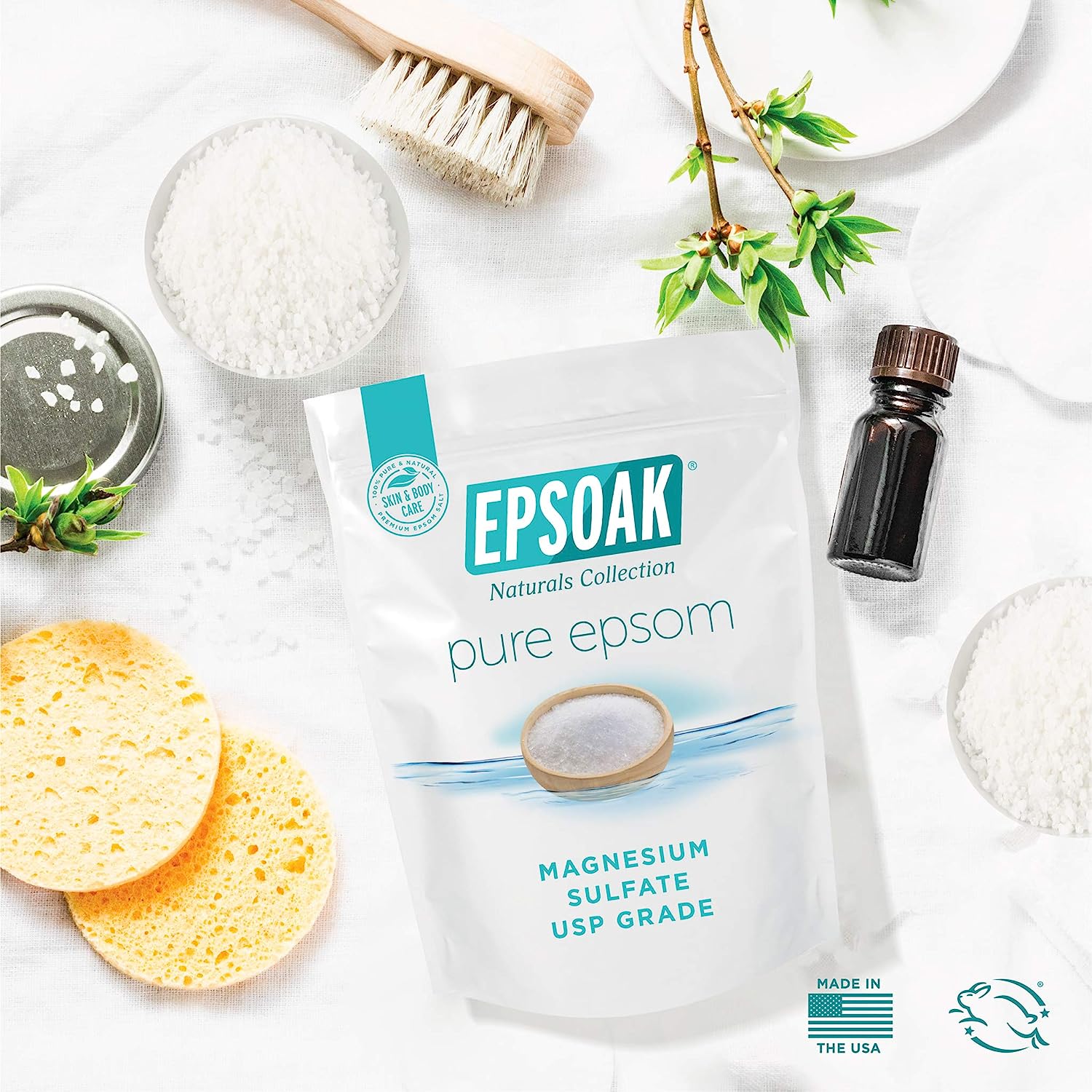
Magnesium sulfate heptahydrate (Epsom salt) and magnesium chloride are sold primarily for transdermal use — bath soaks and oil sprays. The NIH ODS Health Professional fact sheet states: "Scientific evidence does not support the claim that magnesium is effectively absorbed through the skin in meaningful amounts." The relaxing bath effect is likely due to warm water and ritual, not absorbed magnesium. Oral magnesium chloride tablets are well absorbed (~30–40% per NIH ODS) and a reasonable cheap alternative where available.
Best for: people who enjoy the ritual (no harm in trying), pill-averse users. Do not rely on Epsom salt baths as your only magnesium source.
How much magnesium do you actually need?
Set by the US Institute of Medicine (IOM 1997) and mirrored by most national authorities. The Tolerable Upper Limit of 350 mg/day applies to supplemental magnesium only — food magnesium does not count, because the kidneys efficiently excrete excess dietary magnesium.
Group
RDA (mg/day)
UL — supplements only (mg/day)
Adult men 19–30
400
350
Adult men 31+
420
350
Adult women 19–30
310
350
Adult women 31+
320
350
Pregnancy
350–360
350
Lactation
310–320
350
Teens 14–18 (boys)
410
350
Teens 14–18 (girls)
360
350
Source: NIH Office of Dietary Supplements (ods.od.nih.gov) · UL = tolerable upper intake level (no adverse effects in healthy adults, supplements only).
Top picks by use case
Best budget
NOW Foods Mag Citrate
Organic chelate at a budget price. ~30–40% absorption per NIH ODS — far better than oxide. Ships internationally to Thailand.
Best absorption
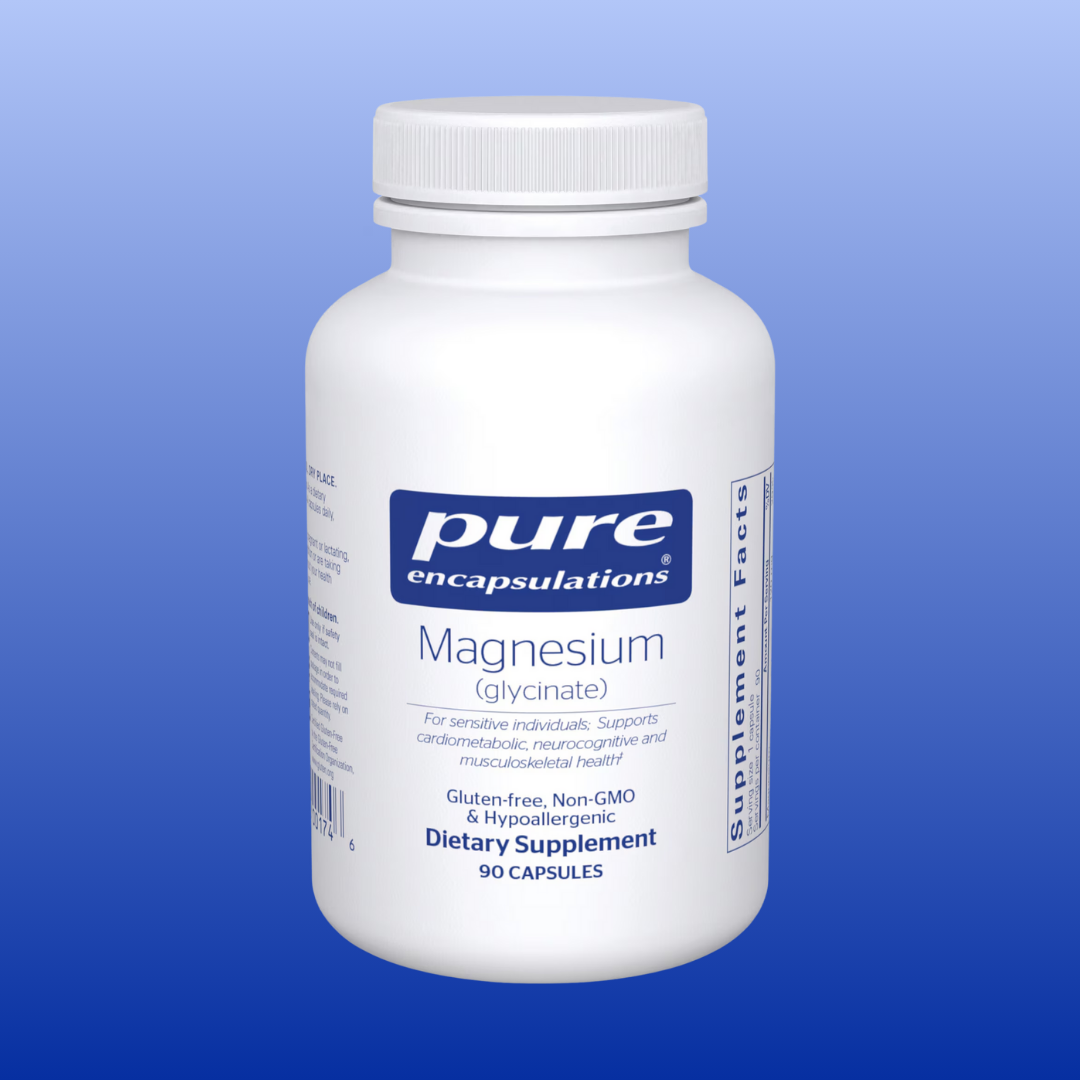
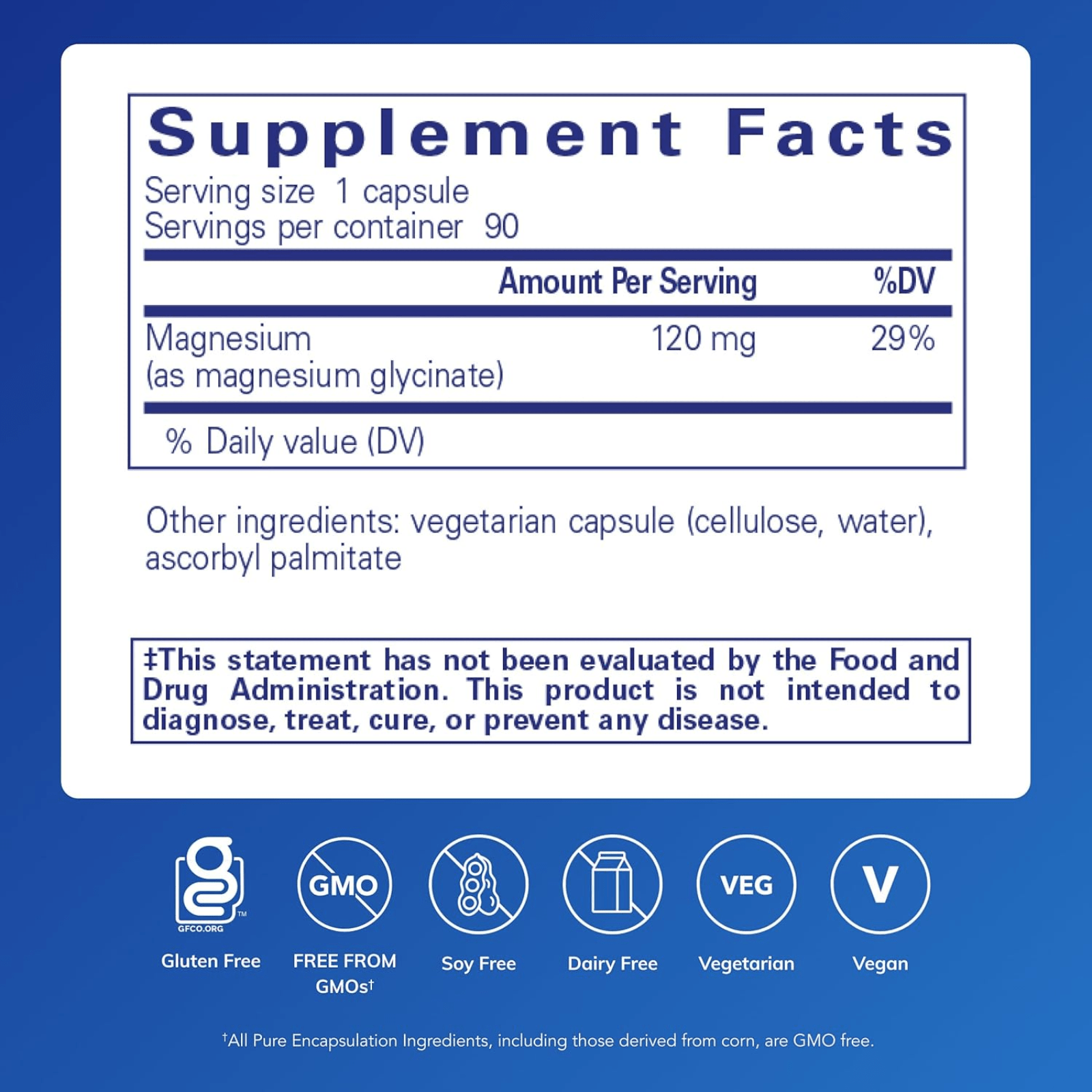
Pure Encapsulations Mag Glycinate
Practitioner-grade bisglycinate chelate. Walker 2003 highest-absorption form. Hypoallergenic, no GI side effects.
Best for sleep / daily use
Thorne Magnesium Bisglycinate
NSF Certified for Sport. 200 mg elemental Mg per capsule. Well tolerated at full RDA dose without GI distress.
Best for cognition
Life Extension Neuro-Mag® (Magtein®)
The only oral form with peer-reviewed human evidence for crossing the blood-brain barrier (Slutsky 2010, Liu 2015).
Best for cardiovascular
Pure Encapsulations Mag Taurate
Magnesium + taurine — both have independent cardioprotective evidence. Marketed for BP and rhythm support.
Best for sensitive stomach
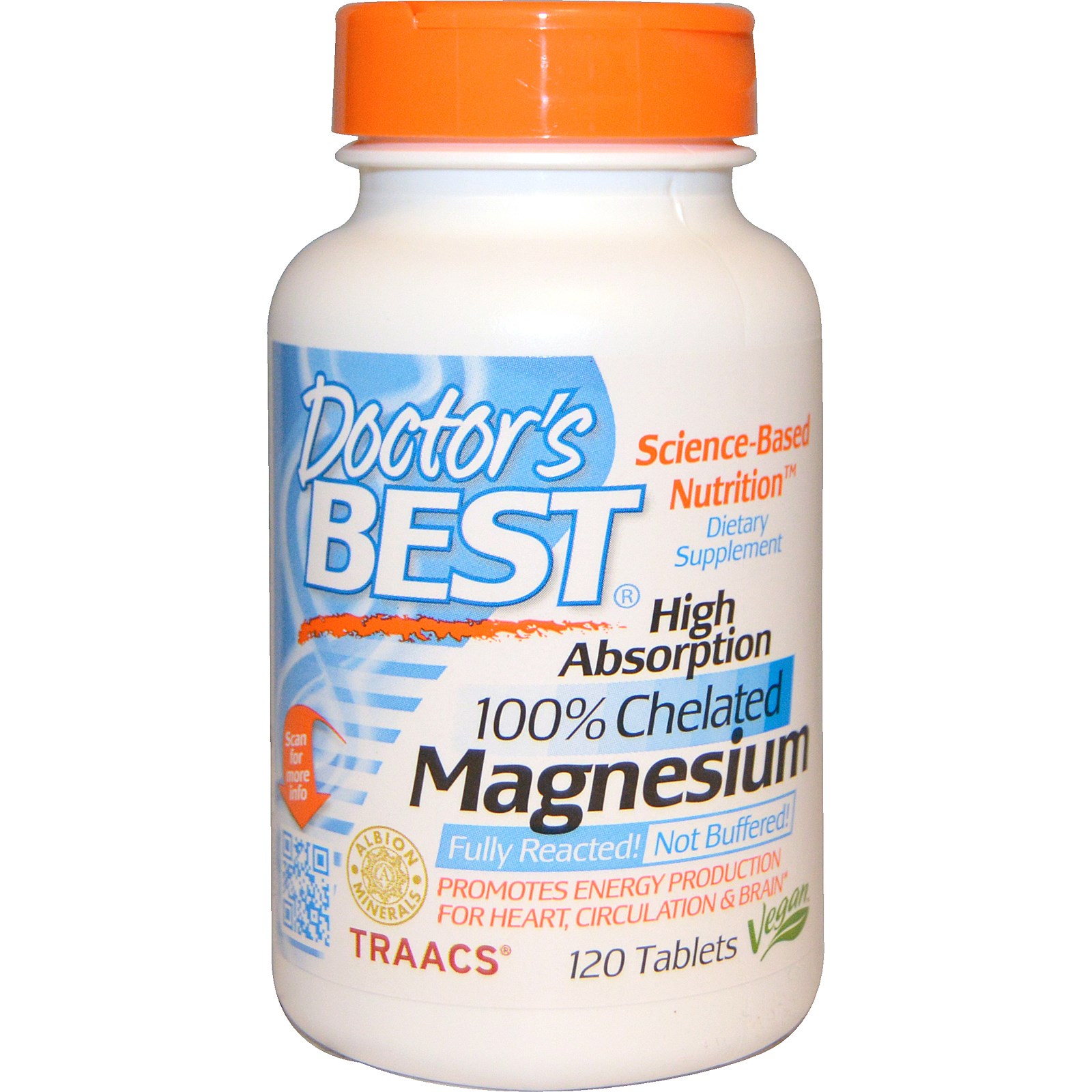
Doctor's Best High Absorption
Bisglycinate/lysinate chelate. 200 mg per tablet, no laxative effect even at high daily doses.
Side effects & drug interactions
Common side effects
Loose stool / diarrhea (esp. citrate, oxide)
Mild abdominal cramping at high doses
Nausea on empty stomach
Hypermagnesemia in chronic kidney disease
Drug interactions
Tetracyclines & fluoroquinolones — magnesium chelates the antibiotic; separate by 2–6 hours
Bisphosphonates (alendronate) — same chelation; take magnesium 2+ hours after
Loop & thiazide diuretics — increase urinary Mg loss; may need more supplementation
PPIs (long-term) — associated with low magnesium; monitor serum Mg
Digoxin — hypomagnesemia can worsen digoxin toxicity
Walker AF, et al. (2003). Mg citrate found more bioavailable than other Mg preparations in a randomised, double-blind study. Magnesium Research 16(3):183–191.
Slutsky I, et al. (2010). Enhancement of learning and memory by elevating brain magnesium. Neuron 65(2):165–177. doi
Liu G, et al. (2015). Efficacy and Safety of MMFS-01 (Magtein®) for Treating Cognitive Impairment in Older Adults: A Randomized, Double-Blind, Placebo-Controlled Trial. J Alzheimers Dis 49(4):971–990.
Schuette SA, et al. (1994). Bioavailability of magnesium diglycinate vs magnesium oxide in patients with ileal resection. JPEN 18(5):430–435.
Lindberg JS, et al. (1990). Magnesium bioavailability from magnesium citrate and magnesium oxide. J Am Coll Nutr 9(1):48–55.
Russell IJ, et al. (1995). Treatment of fibromyalgia syndrome with Super Malic: a randomized, double blind, placebo controlled, crossover pilot study. J Rheumatol 22(5):953–958.
DiNicolantonio JJ, et al. (2018). Subclinical magnesium deficiency: a principal driver of cardiovascular disease and a public health crisis. Open Heart 5(1):e000668.
Institute of Medicine (1997). Dietary Reference Intakes for Calcium, Phosphorus, Magnesium, Vitamin D, and Fluoride. NAP Open Book
iHerb, Amazon US, Chemist Warehouse — product pages cited per row above (price snapshot date: see column).
Trusted brands we rate
These 10 brands are featured on every vitfacts.com comparison page. We track them
for ingredient transparency, third-party testing, and Thailand availability.
A heritage naturopathic brand spanning over 90 years, known for rigorous ingredient sourcing and massive pharmacy presence throughout the Asia-Pacific region.
A premium, practitioner-only brand (owned by Blackmores) offering highly concentrated, clinical-strength formulas that are frequently recommended by healthcare professionals.
A high-quality pharmacy brand heavily focused on evidence-based ingredients, widely known for its "Inner Health" probiotic range and highly absorbable magnesium powders.
Born in Australia, this brand formulates therapeutic herbal and nutritional supplements with a strict focus on purity, offering many vegan-friendly options.
One of Australia's longest-running and most accessible vitamin brands, providing a massive, budget-friendly range found in most major supermarkets and pharmacies.
A dominant local brand in Thai retail pharmacies (such as Watsons and Boots), highly popular for its acerola cherry, collagen, and beauty-focused supplements.
A leading pharmaceutical-grade supplement brand in Southeast Asia, widely trusted by Thai consumers for its fish oil and targeted clinical nutrition products.
While based in the US, Thorne is heavily imported and highly sought after by functional medicine practitioners globally—including in both Australia and Thailand. It is considered a gold standard due to its strict four-round testing protocol and complete absence of unnecessary fillers or binders.
An Australian-made value brand founded in 2006, sold through Chemist Warehouse and major AU pharmacies. Part of the Nature's Care family (est. 1990), offering a wide mass-market supplement range covering fish oil, vitamins C/D, magnesium, probiotics, zinc, iron, ashwagandha, collagen, and CoQ10.
Why these 10? See the VitFacts editorial policy page (forthcoming) for the criteria — minimum
10 years of documented safety record, public certificate-of-analysis policy, and verifiable
Thailand distribution.