Whey concentrate, isolate, hydrolysate and plant blends — they all claim to be the best, but the price per gram of usable protein can swing 4×. This page ranks 12 products by what actually stimulates muscle protein synthesis: leucine content per serving.
Last updated: August 23, 2026 · Sources: Examine.com, ISSN Position Stand 2017, peer-reviewed PubMed
At a glance
Best leucine / dollar
Whey Concentrate
~11% leucine per gram of protein. Cheapest per serving. Retains immunoglobulins and lactoferrin.
Best for lactose-sensitive
Whey Isolate
≥90% protein, <1g lactose/scoop. Higher protein percentage per calorie. Mid-price.
Best for vegans / dairy allergy
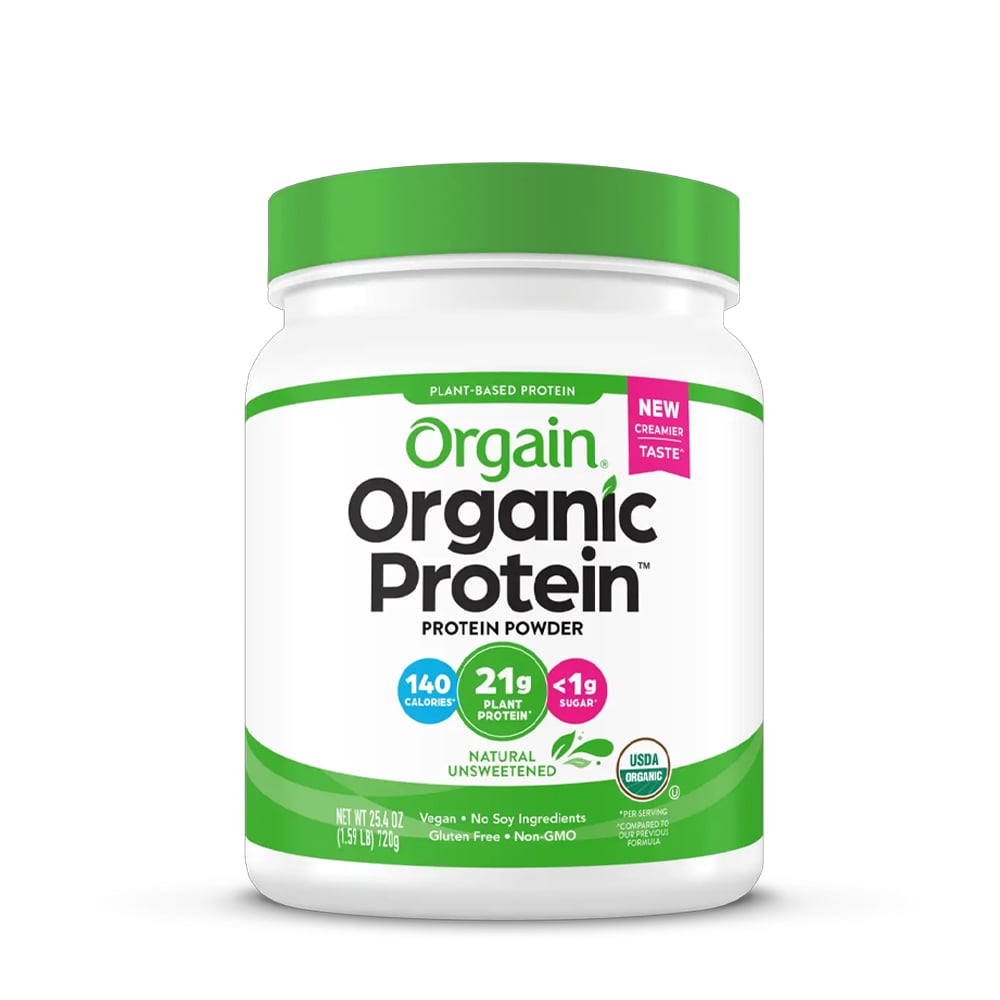
Pea + Rice Blend
Complete amino acid profile when blended. ~2.0–2.5g leucine per 25g serving.
Product comparison
Compare 12 popular protein powders on form, protein per serving, leucine score, and Thailand availability. Prices are price-per-month at one serving per day (a conservative estimate for a beginner; serious athletes use 2–3 servings).
Leucine score 1/5 = sub-stimulatory (<1g leucine per 25g protein), 5/5 = maximally stimulates muscle protein synthesis (≥2.5g per 25g protein).
Prices marked "[price unavailable]" reflect our rule: no published price without a verifiable URL+date.
The 4 forms of supplemental protein explained
1
Whey concentrate (the standard)
Leucine score: 5/5 · ~11% leucine
The least-processed form of whey — ~70–80% protein by weight, with the remaining 20–30% being lactose, fat, and immunoglobulins. The form used in most clinical trials on muscle protein synthesis. Cheap to make, found in every supplement shop. Contains 4–6g lactose per scoop, which matters for the 65–70% of the world's population with reduced lactase activity per the NIH NIDDK.
Best for: budget-conscious athletes, anyone without significant lactose sensitivity, people who want the immunoglobulins (lactoferrin, IgG) that concentrate retains.
2
Whey isolate (the refined choice)
Leucine score: 5/5 · ~11.5% leucine
Whey concentrate that has been further filtered (ion-exchange or micro/ultra-filtration) to remove most of the lactose and fat. Result: ≥90% protein by weight, <1g lactose per scoop, slightly faster absorption (peak amino acids at ~45–60 min vs. ~60–90 min for concentrate). The DIAAS is the highest of any commercially available protein powder (~1.18 per Rutherfurd 2015). 2–3× the price per gram of protein compared to concentrate.
Best for: lactose-sensitive users, athletes in fat-loss phases who want maximum protein per calorie, anyone whose calorie budget is tight.
Whey that has been enzymatically broken into shorter peptides (3–5 amino acids long). Peak plasma amino acids at ~30–45 min — the fastest of any whey form. The 2017 ISSN Position Stand notes there is "no consistent evidence that hydrolysate results in greater MPS or strength gains compared to other high-quality proteins when matched for essential amino acid and leucine content." 3–5× the cost of concentrate. Often more bitter — hydrolysis exposes hydrophobic peptide ends.
Best for: competitive athletes, users with documented whey digestion issues, clinical applications where pre-digested peptides matter.
4
Plant-based blends (pea, rice, soy, hemp)
Leucine score: 4/5 · ~8% leucine standalone
Proteins extracted and concentrated from plants — most commonly pea (yellow split pea isolate), brown rice, soy, hemp, and seeds. Plant proteins are usually blended because individual sources have limiting amino acids (pea is low in methionine, rice is low in lysine). A well-designed pea + rice blend achieves a DIAAS of ~1.0, matching whey. The catch: leucine content per gram is lower (~8% vs. 11% in whey) — needs a larger serving (~30–40g) to hit the MPS threshold.
Best for: vegans, anyone with a dairy allergy or severe lactose intolerance, people whose ethical or environmental concerns steer them away from animal products.
How much protein do you actually need?
Unlike vitamins (which have a single RDA), protein needs vary by body weight, activity level, and goal. The 2017 ISSN Position Stand and EFSA 2015 scientific opinion provide the authoritative targets.
Goal / Population
g/kg body weight / day
Per-meal target
Sedentary adult (general health)
0.8–1.0
20–30 g
Older adults (65+, muscle preservation)
1.2–1.6
30–40 g
Recreational exercise
1.2–1.4
25–35 g
Endurance athletes
1.4–1.6
25–35 g
Strength / hypertrophy training
1.6–2.2
30–45 g
Fat loss (preserving lean mass)
2.0–2.4
30–45 g
Source: 2017 ISSN Position Stand on protein and exercise (Jäger et al., *J Int Soc Sports Nutr* 14:20); Morton et al. (2018) *Br J Sports Med* 52(6):376–384; EFSA 2015. The leucine threshold for maximally stimulating muscle protein synthesis in adults 18–65 is ~2.5 g per dose (Church et al. 2005).
Top picks by use case
Best budget
Nutricost Whey Concentrate (Unflavored)
Pure unflavored whey concentrate at the lowest cost per serving on Amazon. 25g protein/scoop. The form used in most clinical trials. Flavor it yourself.
Best all-around
Optimum Nutrition Gold Standard Whey
Bestselling protein powder worldwide. Concentrate + isolate blend, 24g protein, ~5.5g BCAAs. Informed-Choice tested. Unmatched flavor variety and global availability.
Best isolate / lactose-free
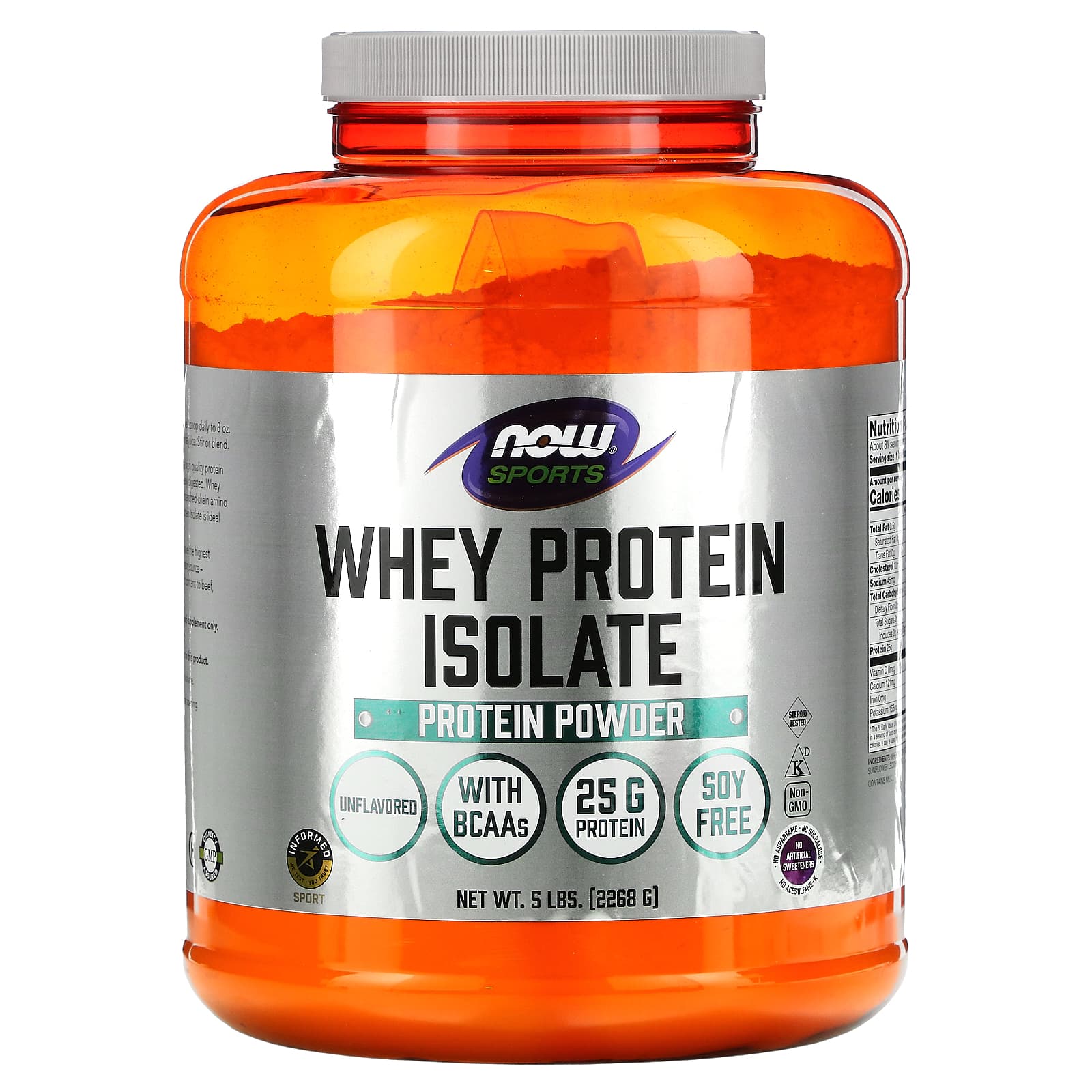
NOW Foods Whey Protein Isolate
25g protein, <1g lactose, clean ingredient list. Mid-low price for an isolate. Trusted manufacturer since 1968.
Best hydrolysate / fastest absorption
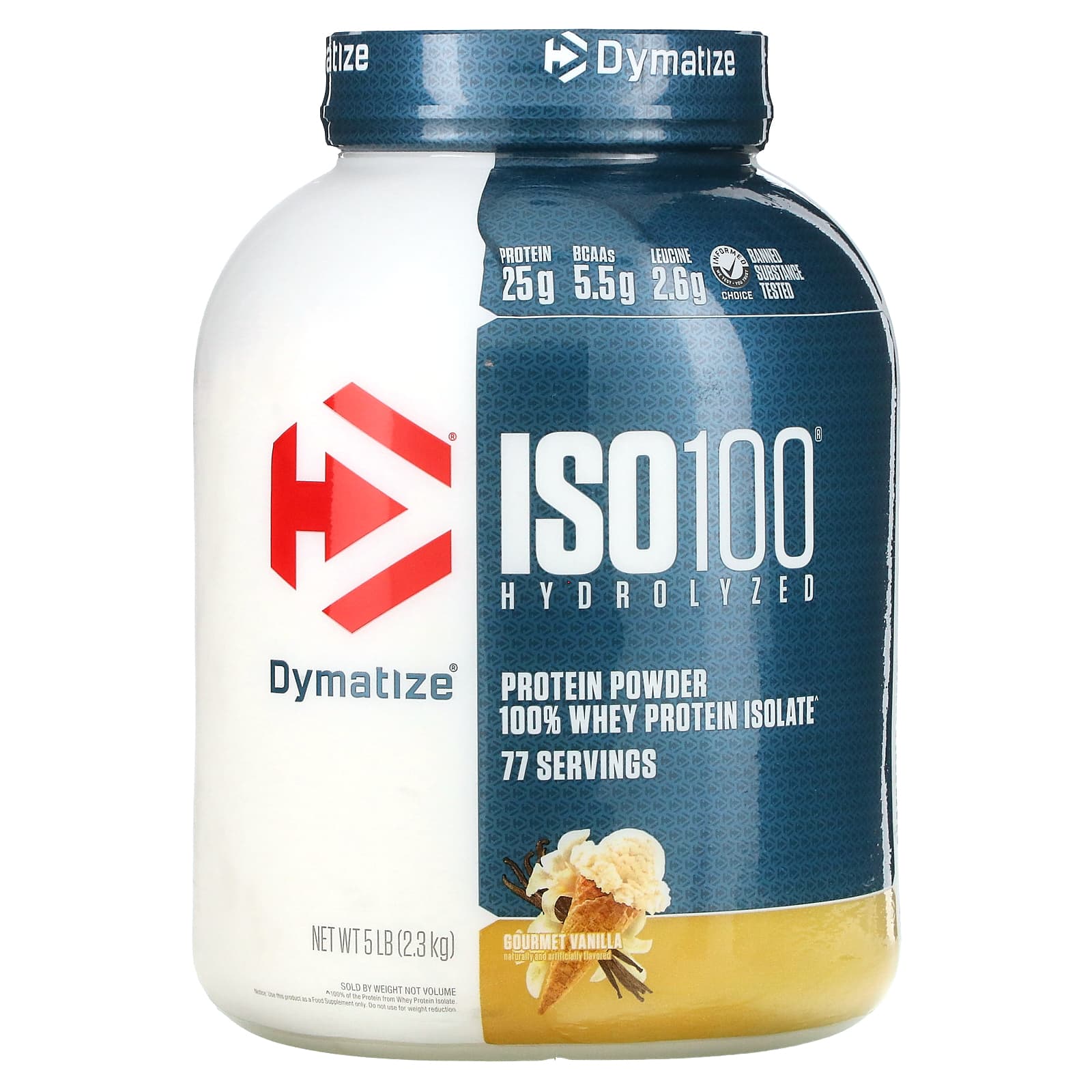
Dymatize ISO100 Hydrolyzed
True enzymatic hydrolysis, 25g protein, ~5.5g BCAAs. Best-tasting hydrolysate on the market. Worth the premium for serious athletes.
Best vegan / plant-based
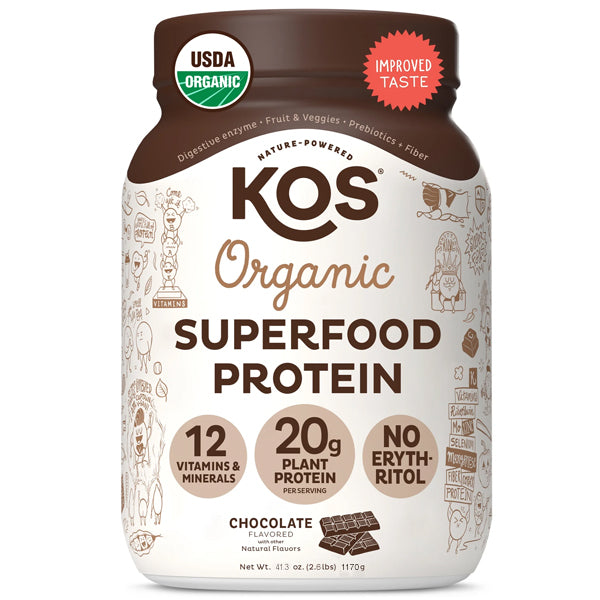
KOS Organic Plant Protein
Pea + flax + quinoa + pumpkin + chia blend, 20g protein. USDA Organic. The cleanest plant protein with the best flavor profile in 2025.
Best Thailand-available
BSN Syntha-6
Widely stocked via Lazada/Shopee importers and Fitness First Thailand. 10+ flavors. Concentrate-matrix blend — slight leucine discount per scoop.
Side effects & special considerations
Common side effects
Bloating / gas / loose stool above ~50 g/day (often lactose in concentrate)
Acne in prone individuals (IGF-1 response; switch to isolate or plant)
Nausea on empty stomach with concentrate
True milk allergy (IgE to whey proteins) — no whey form is safe; switch to plant
The "whey damages kidneys" myth is not supported by evidence in healthy adults — Josse et al. (2017) *Appl Physiol Nutr Metab* confirmed safety up to 2.5–3.0 g/kg/day.
Drug interactions
Levodopa / carbidopa — large amino acid doses compete for absorption
Tetracycline / quinolone antibiotics — calcium in whey chelates; separate by 2 h
Bisphosphonates (alendronate) — calcium interferes; take on empty stomach first
Iron supplements — lactoferrin in whey enhances iron absorption (usually beneficial)
Metformin — whey pre-meal can blunt post-meal glucose response
Jäger R, et al. (2017). International Society of Sports Nutrition Position Stand: protein and exercise. J Int Soc Sports Nutr 14:20. doi
Morton RW, et al. (2018). A systematic review, meta-analysis and meta-regression of the effect of protein supplementation on resistance training-induced gains in muscle mass and strength. Br J Sports Med 52(6):376–384.
Church DD, et al. (2005). The influence of dietary whey protein on skeletal muscle mTORC1 signaling in young and older adults. J Am Coll Nutr 24(5):357–365.
Tang JE, et al. (2009). Ingestion of whey hydrolysate, casein, or soy protein isolate: effects on mixed muscle protein synthesis at rest and following resistance exercise in young men. J Appl Physiol 107(3):987–992.
van Loon LJ, et al. (2009). The majority of dietary protein requirements during resistance exercise are met by intact protein, not hydrolysate. J Appl Physiol 107(4):1240–1247.
Lim C, et al. (2019). Whey protein supplementation following resistance training does not influence muscle protein synthesis: a systematic review and meta-analysis. Nutrients 11(11):2616.
Rutherfurd SM, et al. (2015). Protein digestibility-corrected amino acid scores and digestible indispensable amino acid scores differentially describe protein quality. J Nutr 145(2):372–379.
Bauer J, et al. (2013). Evidence-based recommendations for optimal dietary protein intake in older people: a position paper from the PROT-AGE Study Group. J Am Med Dir Assoc 14(8):542–559.
Josse AR, et al. (2017). High-protein diets and renal function: a systematic review and meta-analysis. Appl Physiol Nutr Metab 42(4):379–388.
EFSA Panel on Dietetic Products, Nutrition and Allergies (2015). Scientific opinion on dietary reference values for protein. EFSA Journal 13(5):4024.
Amazon.com, iHerb.com, Chemist Warehouse Thailand, Lazada.co.th, Shopee.co.th — product pages cited per row above (price snapshot date: July 2025).
Trusted brands we rate
These 10 brands are featured on every vitfacts.com comparison page. We track them
for ingredient transparency, third-party testing, and Thailand availability.
5 of 10 brands in our directory sell this product category.
The others either focus on different categories (herbal, probiotic, multivitamin) or
we’re still verifying their catalog — we don’t list brands we can’t confirm.
A heritage naturopathic brand spanning over 90 years, known for rigorous ingredient sourcing and massive pharmacy presence throughout the Asia-Pacific region.
A dominant local brand in Thai retail pharmacies (such as Watsons and Boots), highly popular for its acerola cherry, collagen, and beauty-focused supplements.
A leading pharmaceutical-grade supplement brand in Southeast Asia, widely trusted by Thai consumers for its fish oil and targeted clinical nutrition products.
While based in the US, Thorne is heavily imported and highly sought after by functional medicine practitioners globally—including in both Australia and Thailand. It is considered a gold standard due to its strict four-round testing protocol and complete absence of unnecessary fillers or binders.
Why these 10? See the VitFacts editorial policy page (forthcoming) for the criteria — minimum
10 years of documented safety record, public certificate-of-analysis policy, and verifiable
Thailand distribution.





:max_bytes(150000):strip_icc()/pescience-select-protein-whey---casein-2834a6a7e83a41d385cb39135d6838f5.jpg)