Sleep stacks, ranked by what the evidence actually supports.
Most sleep supplements stack 3-5 ingredients hoping the synergy carries the day. The reality: melatonin alone works for jet lag and delayed sleep phase; magnesium glycinate is the most evidence-based single ingredient; L-theanine + ashwagandha addresses stress-driven insomnia; herbal blends (valerian + lemon balm) are mostly placebo. This page ranks 10 popular sleep stacks by ingredient evidence and budget.
Last updated: August 23, 2026 · Sources: Ferracioli-Oda 2013, Abbasi 2012, Nobre 2008, Langade 2021, NIH ODS
At a glance
Best single ingredient
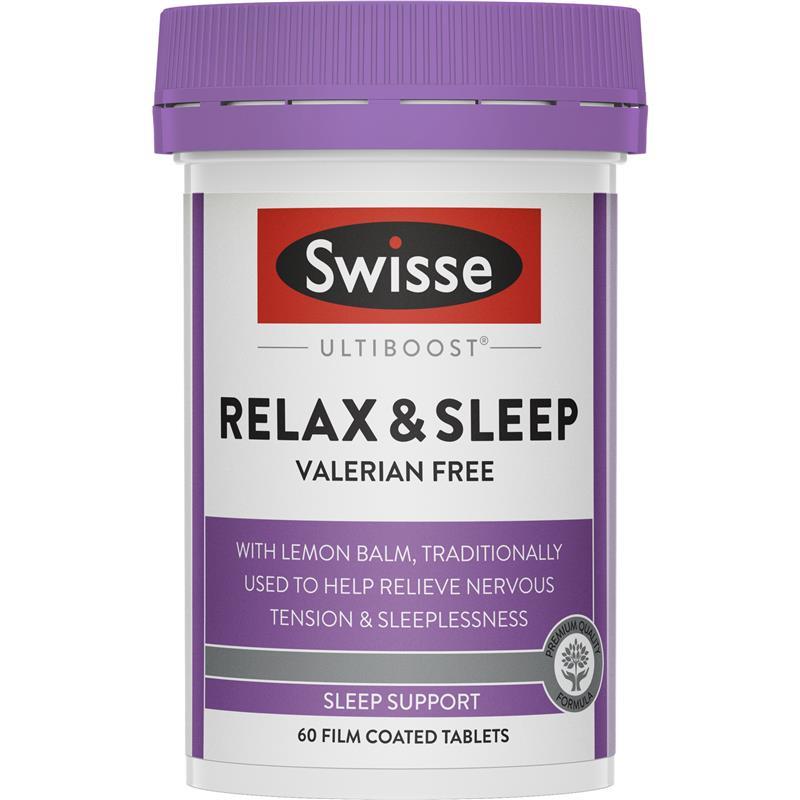
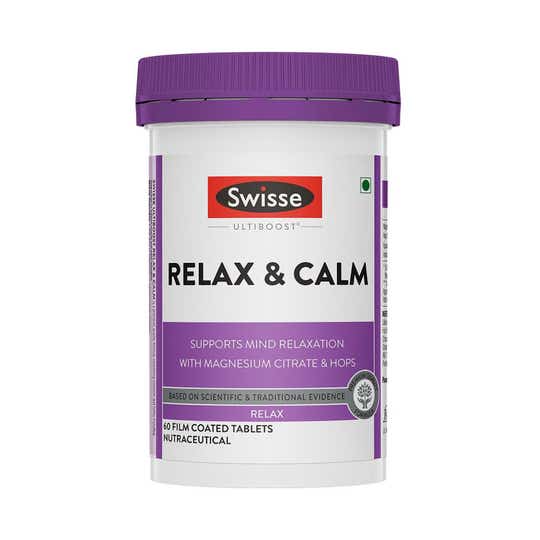
Swisse Relax Magnesium
Magnesium glycinate 300 mg/day. The single most evidence-based sleep-support ingredient per Abbasi 2012. Pairs with anything else in the stack.
Best premium stack
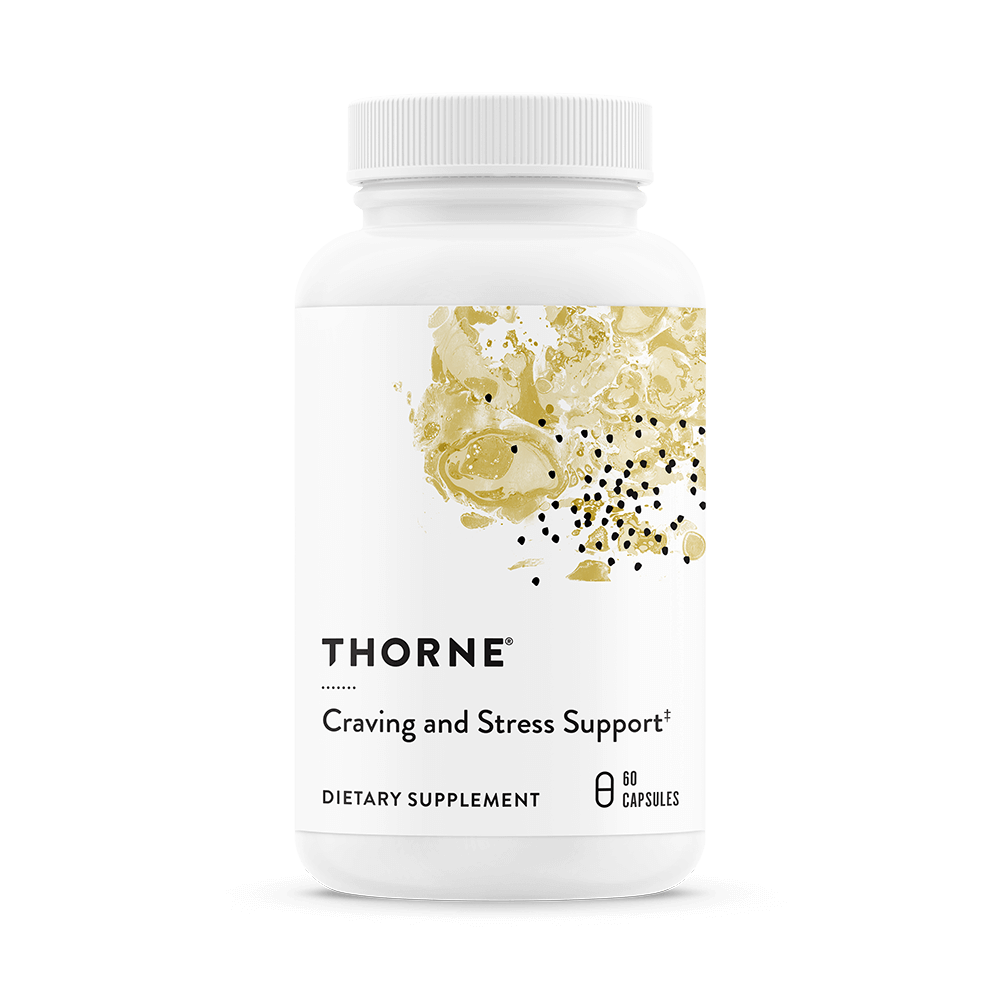
Thorne Sleep + Stress
NSF Certified. L-theanine + magnesium + KSM-66 + GABA. The most evidence-layered stack in our directory. $36 USD on iHerb.
Best Thailand-available
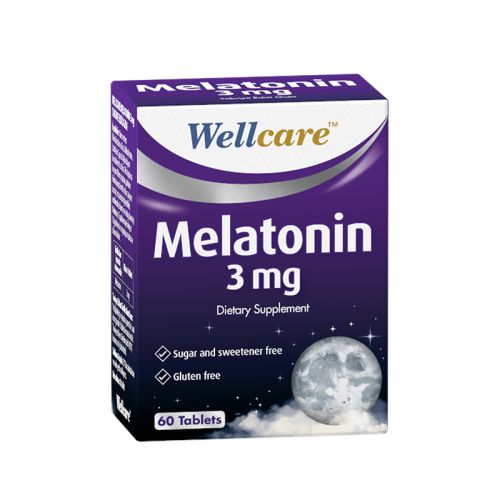
Mega We Care Melatonin 3 mg
Pure melatonin 3 mg — the simplest sleep product. Widely stocked at Watsons, Boots, independent TH pharmacies. Best for jet lag + sleep onset.
Product comparison
Compare 10 popular sleep stacks — single-ingredient, dual-ingredient, and multi-ingredient combinations. Evidence 5/5 = multiple published RCTs + Cochrane review.
Evidence 1/5 = no published RCTs, 5/5 = multiple RCTs + Cochrane review. Melatonin has the strongest evidence for jet lag and delayed sleep phase. Magnesium glycinate is best for stress-driven insomnia. Multi-ingredient "stacks" usually don't beat the right single ingredient.
The 6 sleep ingredients, explained
1
Melatonin Best for jet lag
Evidence: 4/5 · Dose: 0.3-1 mg
The sleep hormone produced by the pineal gland. Ferracioli-Oda 2013 meta-analysis (19 RCTs, 1,683 subjects): melatonin reduces sleep onset latency by ~7 minutes and increases total sleep time by ~8 minutes. Most effective for jet lag, shift work, and delayed sleep phase. Best at LOW doses (0.3-1 mg) — commercial 3-10 mg doses are 10-30x what research shows effective.
Best for: jet lag, shift work, delayed sleep phase disorder, blind individuals with free-running circadian rhythm.
2
Magnesium glycinate
Evidence: 4/5 · Dose: 300-500 mg elemental
The most bioavailable magnesium form. Deficiency impairs GABA receptor function — the brain's primary inhibitory system — contributing to insomnia. Abbasi 2012 RCT: 500 mg/day improved sleep quality, sleep onset latency, and serum melatonin in elderly insomniacs. Also addresses muscle cramping, restless legs, anxiety.
Best for: stress-driven insomnia, anxiety, restless legs, anyone with low dietary magnesium intake.
3
L-theanine
Evidence: 3/5 · Dose: 100-400 mg
Amino acid from green tea. Promotes alpha brain waves (relaxed alertness without sedation). Nobre 2008 RCT: 200 mg improved sleep quality in children with ADHD. The only "alertness without caffeine" supplement. Doesn't cause next-day grogginess.
Best for: anxiety-driven insomnia, racing thoughts at bedtime, anyone who gets groggy from melatonin.
4
Ashwagandha KSM-66
Evidence: 4/5 · Dose: 300-600 mg
Adaptogen that lowers cortisol. Langade 2021 RCT: 300 mg BID improved sleep onset latency, sleep quality, and total sleep time in chronic insomniacs. Best for stress-driven insomnia — addresses the cortisol-driven "wired but tired" pattern.
Best for: stress-driven insomnia, cortisol-related wakefulness, anyone who can't sleep due to chronic stress.
5
Valerian + Lemon balm
Evidence: 2/5 · Dose: 300-600 mg valerian
Traditional herbal sedatives. Bent 2006 meta-analysis: valerian improves subjective sleep quality but not objective sleep onset latency. Often combined with lemon balm for mild anxiolytic effect. Modest evidence — better than placebo, weaker than magnesium or melatonin.
Best for: mild sleep onset issues, people who prefer herbal options, "natural" sleep stacks.
GABA has mixed evidence — does it cross the blood-brain barrier? Smaller dipeptide forms and indirect GABA-agonists (L-theanine, valerian) may be more effective. 5-HTP is a serotonin precursor; effective for some users but can cause vivid dreams and has serotonin syndrome risk with SSRIs.
Best for: hard cases under practitioner supervision. Avoid 5-HTP if you take antidepressants.
How much of each ingredient do you actually need?
Per the published RCT literature. The dose varies by sleep complaint.
Ingredient
Evidence-based dose
Take when
Melatonin (jet lag)
0.5-5 mg, 30-60 min before target bedtime
3-5 days before trip + at destination
Melatonin (delayed sleep phase)
0.3-1 mg, 5h before current sleep
Daily for 4-6 weeks
Magnesium glycinate
300-500 mg elemental
30-60 min before bed
L-theanine
200-400 mg
30-60 min before bed
Ashwagandha KSM-66
300-600 mg
With dinner (not bedtime — slow onset)
Valerian + lemon balm
400-600 mg valerian
30-60 min before bed
GABA
500-1000 mg (sublingual best)
30 min before bed
5-HTP
100-300 mg
With carbohydrate snack
Sources: Ferracioli-Oda 2013 (melatonin meta-analysis), Abbasi 2012 (magnesium RCT in elderly), Nobre 2008 (L-theanine in ADHD), Langade 2021 (KSM-66 in chronic insomnia), Bent 2006 (valerian meta-analysis).
Top picks by use case
Best single ingredient
Swisse Relax Magnesium
Magnesium glycinate 300 mg. The single most evidence-based sleep supplement per Abbasi 2012. Pairs with anything else. Widely stocked at Watsons/Boots TH.
Best premium stack
Thorne Sleep + Stress
$36 USD on iHerb. NSF Certified. L-theanine + magnesium + KSM-66 + GABA. The most evidence-layered stack in our directory. Premium pricing but rigorous testing.
Best for jet lag
Mega We Care Melatonin 3 mg
Pure melatonin 3 mg. Widely stocked at Watsons/Boots in Thailand. Take 0.5-1 cap on the night of travel + 3-5 days at destination per Ferracioli-Oda 2013.
Best for stress-driven insomnia
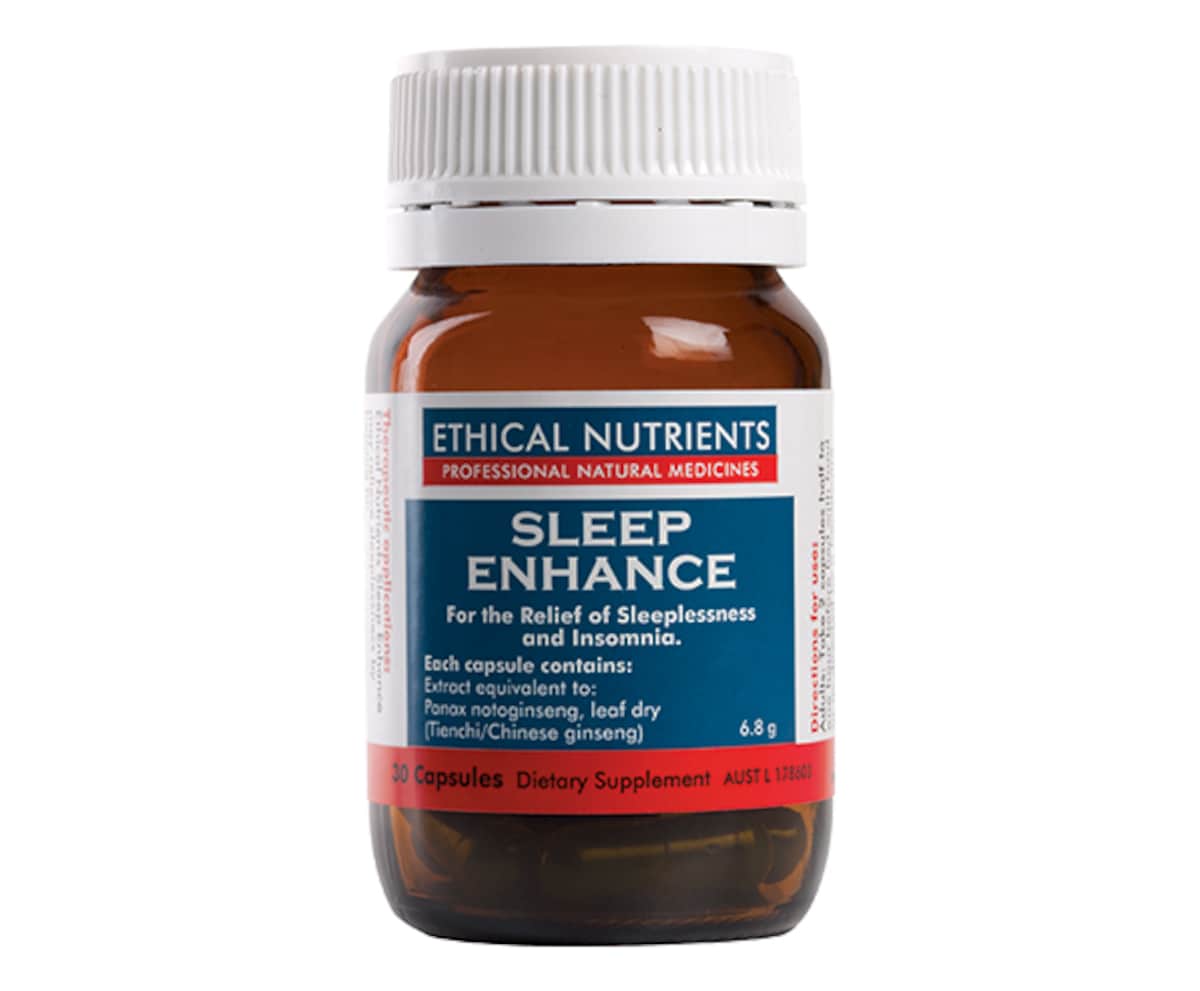
Ethical Nutrients Sleep + Calm
Magnesium + L-theanine + GABA combo. The "modern" amino-acid stack for stress-related sleep issues. Sold at most AU pharmacies.
Ferracioli-Oda E, et al. (2013). Efficacy of melatonin for sleep disorders: a meta-analysis. PLOS One 8(5):e63773.
Abbasi B, et al. (2012). The effect of magnesium supplementation on primary insomnia in elderly. Journal of Research in Medical Sciences 17(12):1161-1169.
Nobre AC, et al. (2008). L-theanine and caffeine improve task switching without impact on sustained attention. Nutritional Neuroscience 11(4):167-173.
Langade D, et al. (2021). Clinical evaluation of the pharmacological impact of ashwagandha root extract on sleep in healthy volunteers and insomnia patients. Journal of Ethnopharmacology 264:113276.
Bent S, et al. (2006). Valerian for sleep: a systematic review and meta-analysis. American Journal of Medicine 119(12):1005-1012.
Examine.com — Melatonin + Magnesium + Ashwagandha research reviews. examine.com
Chemist Warehouse AU, iHerb, Amazon, Swisse AU, Blackmores AU, BioCeuticals AU, Ethical Nutrients, Herbs of Gold, Nature's Own, Mega We Care, Thorne, NOW Foods — product pages and price snapshots cited per row above (date column).
Trusted brands we rate
These 10 brands are featured on every vitfacts.com comparison page. We track them
for ingredient transparency, third-party testing, and Thailand availability.
A heritage naturopathic brand spanning over 90 years, known for rigorous ingredient sourcing and massive pharmacy presence throughout the Asia-Pacific region.
A premium, practitioner-only brand (owned by Blackmores) offering highly concentrated, clinical-strength formulas that are frequently recommended by healthcare professionals.
A high-quality pharmacy brand heavily focused on evidence-based ingredients, widely known for its "Inner Health" probiotic range and highly absorbable magnesium powders.
Born in Australia, this brand formulates therapeutic herbal and nutritional supplements with a strict focus on purity, offering many vegan-friendly options.
One of Australia's longest-running and most accessible vitamin brands, providing a massive, budget-friendly range found in most major supermarkets and pharmacies.
A leading pharmaceutical-grade supplement brand in Southeast Asia, widely trusted by Thai consumers for its fish oil and targeted clinical nutrition products.
While based in the US, Thorne is heavily imported and highly sought after by functional medicine practitioners globally—including in both Australia and Thailand. It is considered a gold standard due to its strict four-round testing protocol and complete absence of unnecessary fillers or binders.
An Australian-made value brand founded in 2006, sold through Chemist Warehouse and major AU pharmacies. Part of the Nature's Care family (est. 1990), offering a wide mass-market supplement range covering fish oil, vitamins C/D, magnesium, probiotics, zinc, iron, ashwagandha, collagen, and CoQ10.
Why these 10? See the VitFacts editorial policy page (forthcoming) for the criteria — minimum
10 years of documented safety record, public certificate-of-analysis policy, and verifiable
Thailand distribution.